
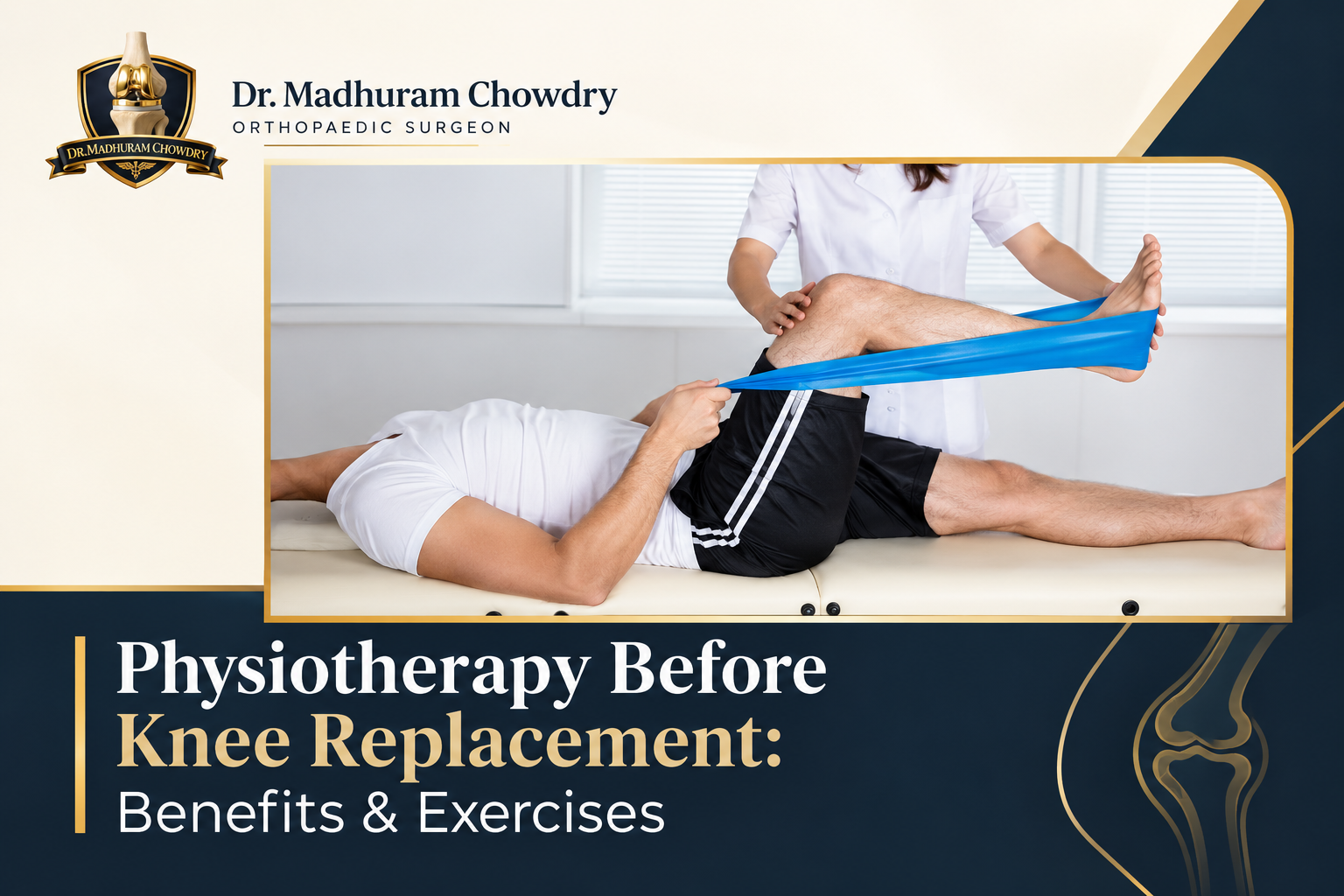
If you have been advised to undergo knee replacement surgery, you may already be thinking about what happens after the operation—pain management, walking with support, physiotherapy and getting back to your normal activities.
But there is another important part of the recovery journey that begins before surgery: physiotherapy.
Physiotherapy before knee replacement, often called prehabilitation or “prehab,” involves strengthening the muscles around the knee, improving mobility and balance, maintaining overall physical fitness, and preparing you mentally and physically for the recovery period.
The goal is not to “fix” an arthritic knee through exercise when joint replacement has already been recommended. Instead, preoperative physiotherapy can help you enter surgery in a better functional state and understand the exercises and mobility techniques you will use after surgery.
Recent Clinical Research Evidence (2026)
Recent research continues to support the role of appropriately designed preoperative exercise. A 2026 systematic review of randomized controlled trials found that preoperative physical therapy may provide modest improvements in early postoperative pain, function and selected performance measures, particularly when programs include progressive strengthening and balance/proprioceptive training.
However, the benefits are not identical for every patient. The right program should be based on your pain, muscle strength, range of motion, general fitness, age and medical condition.
Table of Contents
- What Is Physiotherapy Before Knee Replacement?
- Why Is Physiotherapy Important Before Knee Replacement?
- What Exercises Are Done Before Knee Replacement?
- How Long Should Physiotherapy Start Before Surgery?
- Can Physiotherapy Delay or Avoid Knee Replacement?
- Physiotherapy Before Robotic Knee Replacement
- What Should You Avoid Before Knee Replacement?
- Does Prehabilitation Make Knee Replacement Recovery Faster?
- Who May Benefit Most From Preoperative Physiotherapy?
- What Happens During a Preoperative Physiotherapy Assessment?
- How to Prepare Your Home Before Knee Replacement
- Questions to Ask Your Physiotherapist Before Knee Replacement
- Physiotherapy Before Knee Replacement: The Bottom Line
- Frequently Asked Questions
What Is Physiotherapy Before Knee Replacement?
Physiotherapy before knee replacement is a structured exercise and education program performed before total knee replacement surgery. It is also known as:
- Prehabilitation
- Preoperative physiotherapy
- Preoperative rehabilitation
- Knee replacement prehab
- Preoperative exercise therapy
Before designing your regimen, a qualified physiotherapist may assess your:
- Knee range of motion (flexion and extension)
- Quadriceps strength
- Hamstring and hip strength
- Balance and postural stability
- Walking ability and gait mechanics
- Ability to climb and descend stairs
- General cardiovascular endurance
- Pain levels and daily functional limitations
Based on this assessment, an individualized exercise program can be created. The purpose is not necessarily to make the arthritic joint pain-free. Instead, it is to improve the physical abilities that can support your recovery.
The 2026 clinical practice guideline for physical therapist management of total knee arthroplasty recommends that physical therapists design preoperative exercise programs for patients undergoing knee replacement, with goals including improving strength, flexibility and endurance.
Why Is Physiotherapy Important Before Knee Replacement?
Severe knee arthritis frequently creates a negative cycle. Pain causes you to move less. Moving less causes the muscles around your knee and hip to become weaker. Weakness can make walking, climbing stairs and getting up from a chair more difficult. Reduced activity can then lead to further loss of fitness.
Physiotherapy before knee replacement attempts to address and disrupt this deconditioning cycle through targeted interventions:
1. It Can Strengthen the Quadriceps
The quadriceps muscles at the front of your thigh play an indispensable role in standing, walking and climbing stairs. Knee arthritis and prolonged inactivity can contribute to significant quadriceps weakness.
Strengthening these muscles before surgery may give you a better foundation for postoperative rehabilitation. Recent research has specifically found benefits from resistance-based prehabilitation for quadriceps strength and functional performance. A 2026 network meta-analysis of randomized trials found that resistance training improved quadriceps strength and Timed Up and Go performance compared with usual care.
2. It Can Improve Functional Mobility
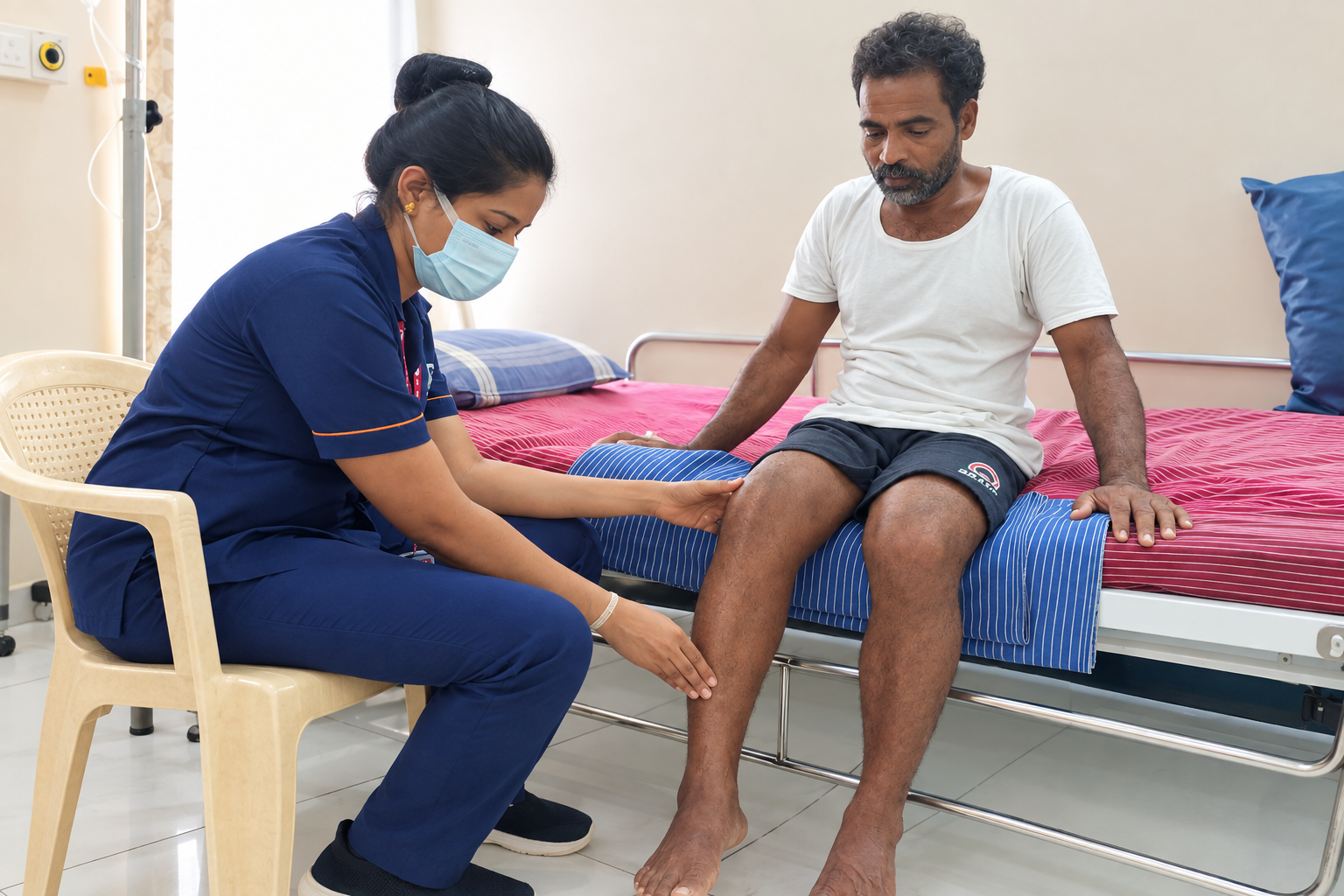
Your ability to walk, stand from a chair and climb stairs is important before and after knee replacement. Prehabilitation can include functional exercises that imitate everyday movements, such as:
- Sit-to-stand exercises
- Supported squats
- Step-ups
- Walking exercises
- Balance exercises
- Hip strengthening
These exercises can help your physiotherapist identify your limitations and work on them before surgery. A systematic review and meta-analysis found that exercise-based prehabilitation was associated with improved knee function before surgery and during the early months following total knee replacement, although the certainty of evidence was low to very low and long-term differences were not established.
3. It Helps You Learn Postoperative Exercises Before Surgery
One major advantage of preoperative physiotherapy is familiarity. After knee replacement, you will need to perform exercises when the knee is sore and swollen. Learning the basic movements beforehand means you already understand:
- How to perform your exercises with correct technique
- How many repetitions and sets to perform safely
- How to use walking aids (walker or crutches) correctly
- How to move safely in and out of bed
- How to get in and out of a chair without placing undue torque on the knee
- How to manage stairs safely using the "good leg up, operated leg down" principle
- How to follow your post-surgical rehabilitation plan with confidence
Instead of learning everything for the first time while groggy or in pain after surgery, you already have hands-on experience with the entire process.
4. It Can Improve Confidence About Recovery
Knee replacement is a major procedure, and it is completely normal to feel anxious about surgery and postoperative pain. Education and physiotherapy can help patients understand what recovery actually involves. Knowing what to expect can make the rehabilitation process feel far less unfamiliar.
Preoperative rehabilitation may also include education about pain management strategies, activity progression, walking aids, and postoperative milestones. The latest physical therapy guideline also notes that preoperative education may incorporate strategies to help patients manage pain and procedure-related anxiety.
5. It Can Help Maintain General Fitness
When knee pain becomes severe, many people stop activities they previously enjoyed. That reduction in activity can affect overall cardiovascular and respiratory fitness. Depending on your condition, a physiotherapist may recommend low-impact activities such as:
- Stationary cycling with adjusted seat height
- Gentle walking within comfortable limits
- Water-based exercise or hydrotherapy
- Seated exercises and core conditioning
- Upper-body conditioning to prepare for walker or crutch use
- Gentle aerobic activity
What Exercises Are Done Before Knee Replacement?
There is no single exercise routine that is suitable for every person waiting for knee replacement. Your physiotherapy program should be individualized. However, common components of physiotherapy before knee replacement often include the following:
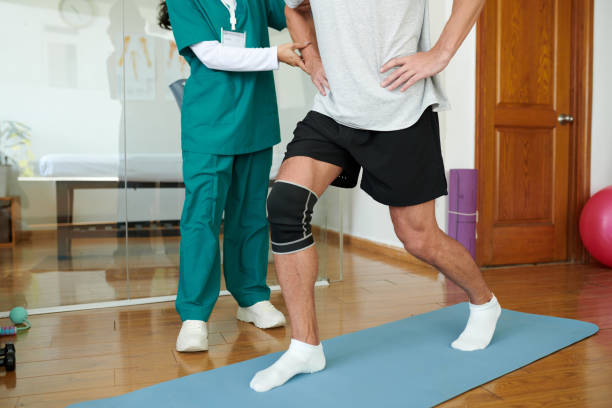
1. Quadriceps Sets
Exercise 01Quadriceps sets are simple muscle-activation exercises designed to maintain neuromuscular connection to the thigh muscles without moving the arthritic joint through a painful arc.
How it's done: Lie on your back or sit with your leg straight out on a firm surface. Tighten the muscles at the front of your thigh, pressing the back of your knee down against the surface. Hold the contraction for 5 seconds, then relax.
2. Straight Leg Raises
Exercise 02Straight leg raises strengthen the quadriceps and hip flexors, which are essential for getting in and out of cars, beds, and chairs.
How it's done: Lie on your back with the opposite knee bent and foot flat on the bed. Tighten the thigh muscle of your straight leg and lift the leg 6 to 12 inches off the surface, keeping the knee straight. Hold for 3 to 5 seconds and slowly lower it back down.
3. Seated Knee Extension
Exercise 03While seated in a sturdy chair, the knee is gradually straightened to train the quadriceps through an available, pain-free range of movement.
How it's done: Sit upright in a chair with your feet flat on the floor. Slowly straighten your leg out in front of you until your knee is as straight as comfortably possible. Hold for 3 to 5 seconds before gently returning to the starting position.
4. Hamstring and Calf Exercises
Exercise 04The muscles behind the thigh (hamstrings) and lower leg (calves) contribute significantly to knee stability, normal gait mechanics, and venous blood return.
How it's done: A physiotherapist may incorporate seated or standing hamstring curls, ankle pumps, and gentle calf stretches to preserve flexibility and lower-limb circulation.
5. Hip Strengthening Exercises
Exercise 05The hip muscles—particularly the gluteus medius and maximus—contribute significantly to lower-limb pelvic stability, preventing the knee from collapsing inward during walking.
Examples include modified:
- Side-lying leg raises or standing hip abductions
- Standing hip extensions
- Supine bridging exercises (lifting the hips while knees are bent)
- Supported standing weight shifts
6. Sit-to-Stand Exercises
Exercise 06Standing up from a seated position is one of the most critical daily functional movements. Practising sit-to-stand movements builds functional strength across the hips, quads, and core.
How it's done: Sit in a sturdy chair with armrests. Lean slightly forward from your hips, push through your feet, and rise to a full stand. Pause, then slowly lower yourself back down with control.
7. Balance and Proprioception Exercises
Exercise 07Balance and proprioception exercises help train the neuromuscular system to stabilize the body when walking or negotiating uneven surfaces.
How it's done: For example, a physiotherapist may prescribe supported standing on both feet with eyes closed, gentle weight-shifting exercises, or single-leg standing while holding onto a stable countertop.
8. Low-Impact Aerobic Exercise
Exercise 08Depending on your joint symptoms and overall health, your physiotherapist may recommend low-impact aerobic activity such as stationary cycling, flat-surface walking, or aquatic exercise.
Goal: Maintain cardiovascular fitness, optimize lung capacity, and improve stamina without aggravating knee inflammation.
How Long Should Physiotherapy Start Before Knee Replacement?
There is no universal number of weeks that applies to every patient. The ideal duration depends on several individual factors:
- Severity of arthritis and existing joint deformities
- Degree of muscle weakness and muscular atrophy
- Current knee mobility (ability to fully straighten or bend)
- Baseline pain levels and daily activity tolerance
- General fitness, age, and medical comorbidities
- Planned surgery schedule
Research studies have evaluated various prehabilitation programs and durations, making it difficult to identify one single ideal schedule for everyone. For example, a 2026 systematic review included randomized trials where structured preoperative physical therapy was initiated at least three weeks before surgery. The programs varied considerably in exercise selection, intensity and duration.
Can Physiotherapy Delay or Avoid Knee Replacement?
This depends entirely on the individual patient and the stage of joint disease. Physiotherapy is a cornerstone of conservative management for early to moderate knee osteoarthritis. It may improve strength, mobility, joint lubrication, and function, helping some people manage their symptoms effectively without immediate surgery.
However, physiotherapy cannot reverse advanced structural joint damage, such as complete loss of articular cartilage ("bone-on-bone" contact) or significant bony angular deformities.
If you have severe, end-stage arthritis with persistent pain that interferes with sleep, significant loss of functional independence, and failure of appropriate non-surgical treatment, your orthopedic surgeon may recommend knee replacement. The decision should be based on your symptoms, clinical examination, functional impairment, and quality of life—never on an X-ray alone.
Robotic Knee Replacement in Mysore: Complete Guide
This comprehensive resource covers robotic surgical planning, patient selection, implant alignment, recovery milestones, and commonly asked questions.
Physiotherapy Before Robotic Knee Replacement
Patients considering robotic-assisted knee replacement also benefit substantially from preoperative conditioning. Robotic technology assists the surgical team with sub-millimeter precision in bone preparation and soft-tissue ligament balancing, but it does not replace the importance of patient preparation and postoperative rehabilitation.
Your overall surgical outcome depends on multiple interrelated factors:
- Appropriate patient selection and surgical planning
- High-precision surgical technique and implant alignment
- Overall systemic health (cardiac, diabetic, nutritional status)
- Preoperative muscle strength and joint range of motion
- Structured post-surgical rehabilitation and exercise adherence
- Proactive pain management and dedicated follow-up care
Prehabilitation should therefore be viewed as an integral component of the complete knee replacement journey.
What Should You Avoid Before Knee Replacement?
Crucial Rule: Physiotherapy Does Not Mean Pushing Through Severe Pain
Avoid creating your own high-intensity exercise routine from the internet without professional orthopedic or physical therapy guidance.
You should be cautious with exercises or activities that:
- Cause significant, sharp, or progressively increasing knee pain
- Trigger substantial joint effusion (swelling) or increased warmth
- Make your walking considerably worse or more painful afterward
- Increase knee instability or create sensations of buckling/giving way
- Involve high-impact loading (running, jumping, heavy squats)
- Require movements your physiotherapist has specifically advised you to avoid
Your physiotherapist can modify resistance, range of motion, and exercise angles according to your symptoms. The objective of prehab is progressive conditioning—not exhaustion or injury.
Does Prehabilitation Make Knee Replacement Recovery Faster?
This is one of the most frequent questions patients ask their orthopedic surgeon. The honest, evidence-based answer is: it may help with certain aspects of early recovery, but it is not a guarantee of faster recovery for every patient.
The medical evidence has evolved over time:
- Older systematic reviews were somewhat less supportive of routine preoperative physiotherapy, showing inconsistent outcomes across unstandardized programs.
- More recent clinical research has demonstrated modest benefits in key areas such as early postoperative pain control, quadriceps activation, and functional performance.
A 2026 systematic review found small-to-moderate advantages in early postoperative pain, function, and selected physical performance measures, but minimal or inconsistent effects on knee range of motion and overall hospital length of stay. Statistically significant long-term differences at six to twelve months post-surgery were uncommon, as postoperative rehabilitation tends to equalize functional gains over time.
This distinction is critical: Prehabilitation is preparation, not a promise. Its goal is to help you build physical capacity, reduce perioperative anxiety, and understand post-surgical protocols—not to guarantee a specific discharge date or recovery timeline.
Who May Benefit Most From Physiotherapy Before Knee Replacement?
Preoperative physiotherapy may be particularly advantageous when a patient presents with:
- Significant muscle weakness: Pronounced quadriceps or hip atrophy following months or years of protecting the painful joint.
- Reduced walking capacity: Severe limitation in walking distance or heavy reliance on improper compensatory walking patterns.
- Poor balance or fall history: Impaired postural reflexes that elevate the risk of post-surgical falls.
- Low baseline physical fitness: Deconditioned cardiovascular or respiratory reserves.
- Severe difficulty climbing stairs: Inability to navigate steps safely at home.
- Fear or anxiety about surgery: Apprehension regarding post-operative pain, movement, or walking aids.
- Prolonged periods of inactivity: Sedentary lifestyle necessitated by joint stiffness.
- Multiple functional limitations: Difficulty with basic daily self-care and chair transfers.
Patients who are physically deconditioned often have the most to gain from a structured, professional preparation program.
What Happens During a Preoperative Physiotherapy Assessment?
Your initial physiotherapy session involves far more than simply handing you an exercise sheet. A comprehensive assessment typically evaluates:
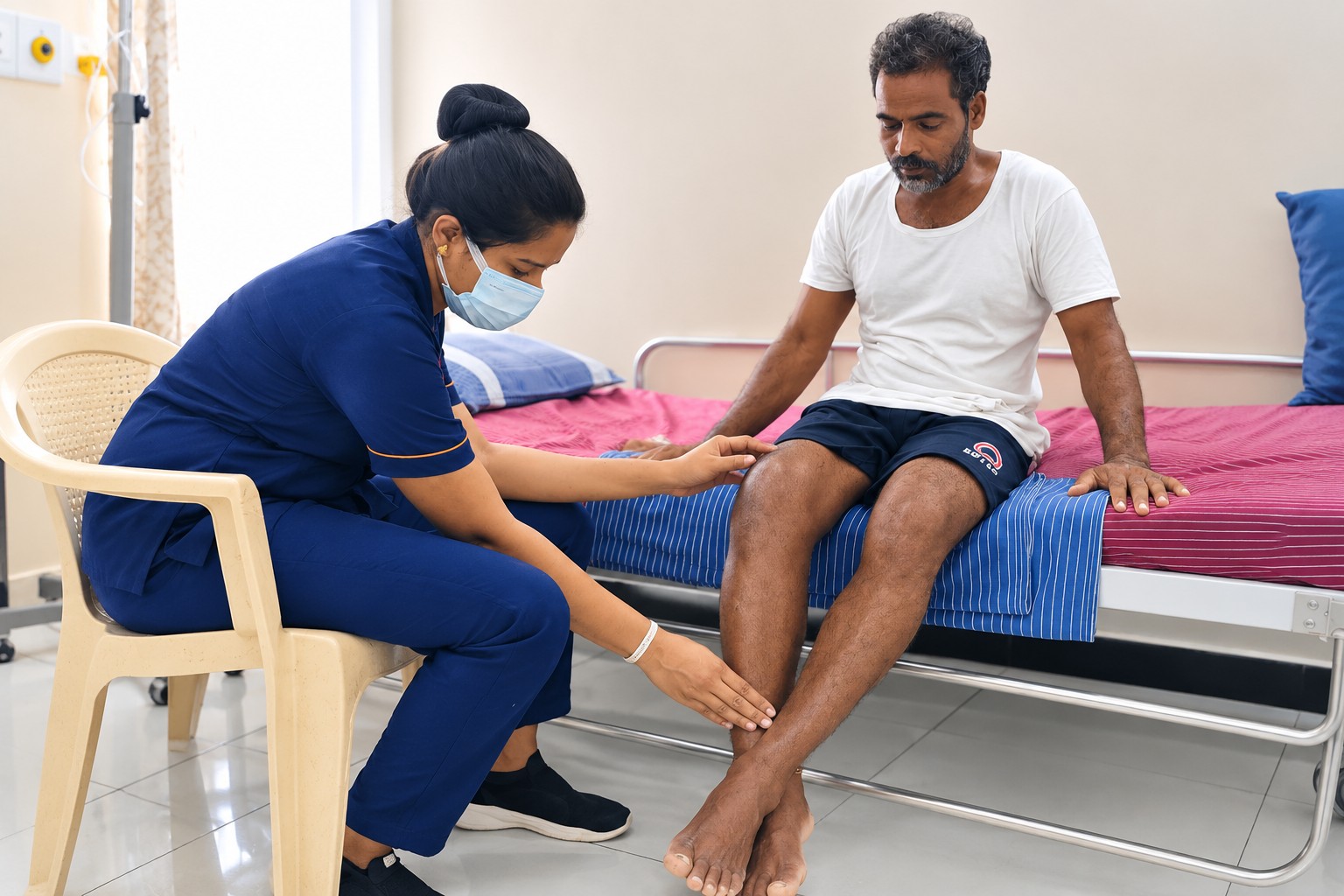
This assessment allows the prehab program to be customized specifically to your physiological needs and functional goals.
How to Prepare Your Home Before Knee Replacement
The preoperative phase is also the ideal window to prepare your home environment for a safe, hazard-free return after surgery. Depending on your home layout and surgeon's advice, consider the following checklist:
Questions to Ask Your Physiotherapist Before Knee Replacement
Before beginning your preoperative exercise regimen, consider discussing the following practical questions with your physiotherapist:
- Which of my muscles are weakest, and which should we prioritize before surgery?
- Which exercises are most appropriate for my specific knee condition and joint deformity?
- How many times per day or week should I perform these exercises?
- What level of joint discomfort is acceptable while exercising?
- Which exercises should I stop immediately if my knee swells or throbs?
- Should I practise with a walker or crutches before surgery to get comfortable with the gait pattern?
- How can I practise climbing stairs safely using the proper foot sequence?
- Which of these exercises will I continue during the first 48 hours after surgery?
- What recovery equipment (ice packs, stretch bands, raised toilet seat) will I need at home?
- Are there specific activities or household chores I should avoid leading up to surgery?
Physiotherapy Before Knee Replacement: The Bottom Line
Physiotherapy before knee replacement is about preparing your body and mind for the rehabilitation journey ahead. A well-designed prehabilitation program focuses on:
- Quadriceps and lower-limb muscular strength
- Knee mobility within comfortable limits
- Hip and pelvic stability
- Balance and proprioception
- Safe walking mechanics and transfer techniques
- Cardiovascular conditioning
- Patient education, confidence, and anxiety reduction
Current scientific evidence suggests that preoperative physical therapy can provide modest benefits, particularly for early postoperative function, strength, and pain management, although benefits should be tailored to each patient's condition.
The most crucial takeaway: physiotherapy should be individualized. Never copy a generic exercise routine from the internet. Your orthopaedic surgeon and physiotherapist can determine which movements are safe, effective, and tailored to your knee.
Explore Related Patient Guides
Continue your research with our doctor-authored resources on knee arthritis and surgical recovery:
Frequently Asked Questions
It may be recommended depending on your strength, mobility and overall health. Current physical therapy guidelines support appropriately designed preoperative exercise programs for patients who have decided to undergo total knee replacement.
Common exercises may include quadriceps strengthening, straight leg raises, seated knee extensions, hip strengthening, sit-to-stand exercises, balance exercises and low-impact aerobic activity. However, your specific exercises should be prescribed according to your condition.
There is no single ideal duration for everyone. Starting several weeks before surgery may provide an opportunity to improve strength and learn postoperative exercises, but your orthopedic surgeon or physiotherapist should determine the appropriate timing.
Physiotherapy can help manage symptoms and improve function in many people with knee osteoarthritis. However, it cannot reverse severe structural joint damage. If advanced arthritis continues to cause significant pain and disability despite appropriate non-surgical treatment, knee replacement may still be recommended.
Prehabilitation may improve some early postoperative outcomes, including strength and function. However, evidence regarding hospital stay and long-term recovery is mixed. It should not be considered a guarantee of faster recovery.
Some discomfort may occur during exercise, but significant or worsening pain should not simply be ignored. Exercises should be modified according to your symptoms and medical advice. Speak with your physiotherapist if an exercise causes substantial pain or swelling.
Yes. Prehabilitation and postoperative rehabilitation serve different purposes. Preoperative physiotherapy prepares you for surgery, while postoperative rehabilitation focuses on recovering knee movement, strength, walking ability and functional independence after surgery.