
Introduction
Knee pain can make even simple activities like walking, climbing stairs, or getting out of a chair difficult. For patients suffering from advanced knee arthritis, knee replacement surgery can provide long-lasting pain relief and restore mobility.
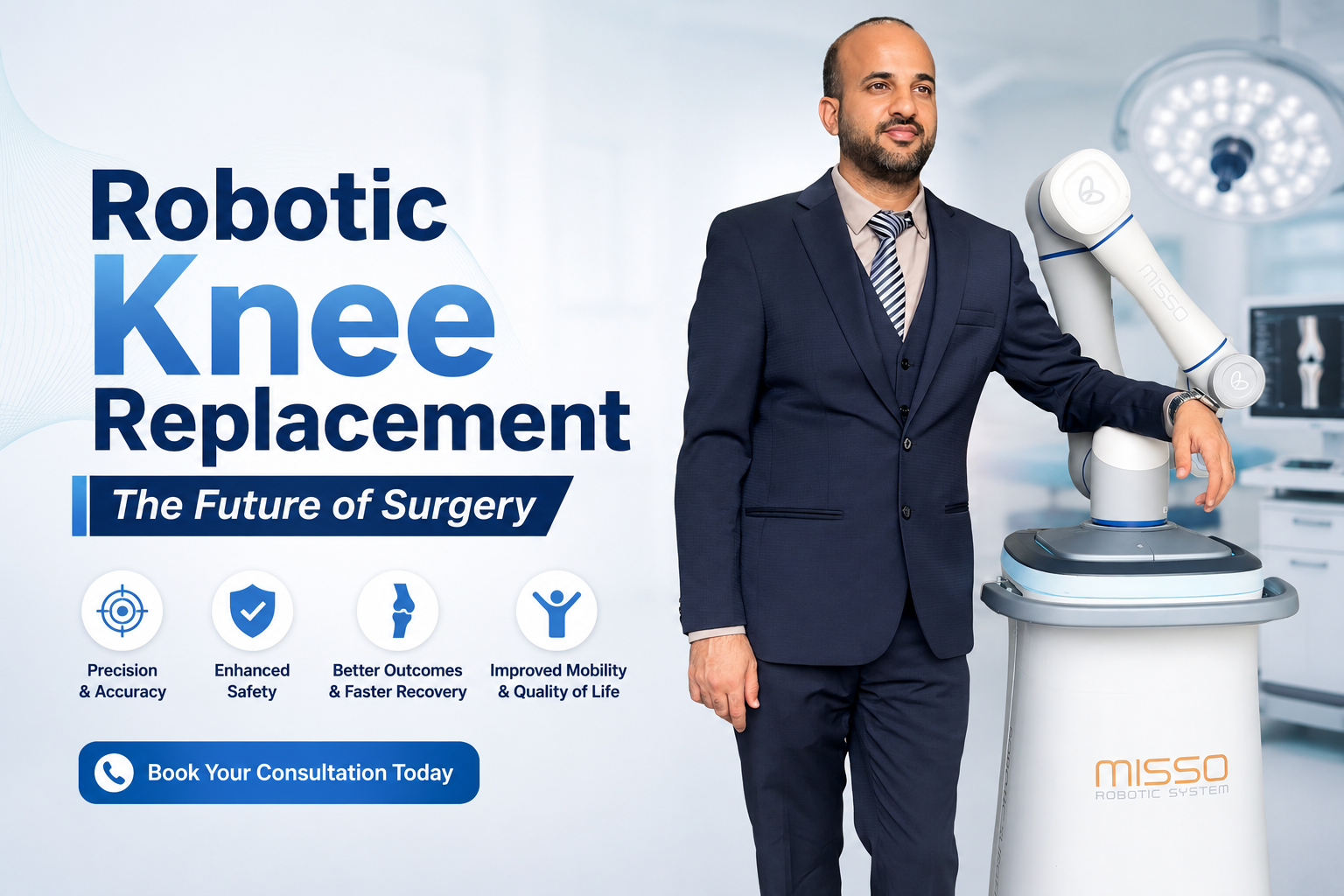
With advances in technology, Robotic Knee Replacement has emerged as one of the most precise and effective methods for knee replacement surgery. At A R Hospital, Mysore, Dr. Madhuram Chowdry specializes in robotic knee replacement, helping patients return to an active and pain-free lifestyle. This guide explains everything you need to know about robotic knee replacement in Mysore.
What is Robotic Knee Replacement?
Robotic knee replacement is an advanced form of knee replacement surgery that uses computer-assisted robotic technology to help the surgeon plan and perform the procedure with exceptional precision.
Who Needs Robotic Knee Replacement?
You may be a candidate for robotic knee replacement if you have:
- Severe knee arthritis
- Persistent knee pain despite medications
- Difficulty walking or climbing stairs
- Knee deformity (bow legs or knock knees)
- Reduced quality of life due to knee pain
- Failure of injections, physiotherapy, or other conservative treatments
Common Symptoms of Advanced Knee Arthritis
- Pain while walking
- Swelling around the knee
- Morning stiffness
- Grinding or clicking sounds
- Difficulty sitting and standing
- Reduced walking distance
- Sleep disturbances due to pain
If these symptoms affect your daily activities, it may be time to consult a knee replacement specialist.
How Does Robotic Knee Replacement Work?
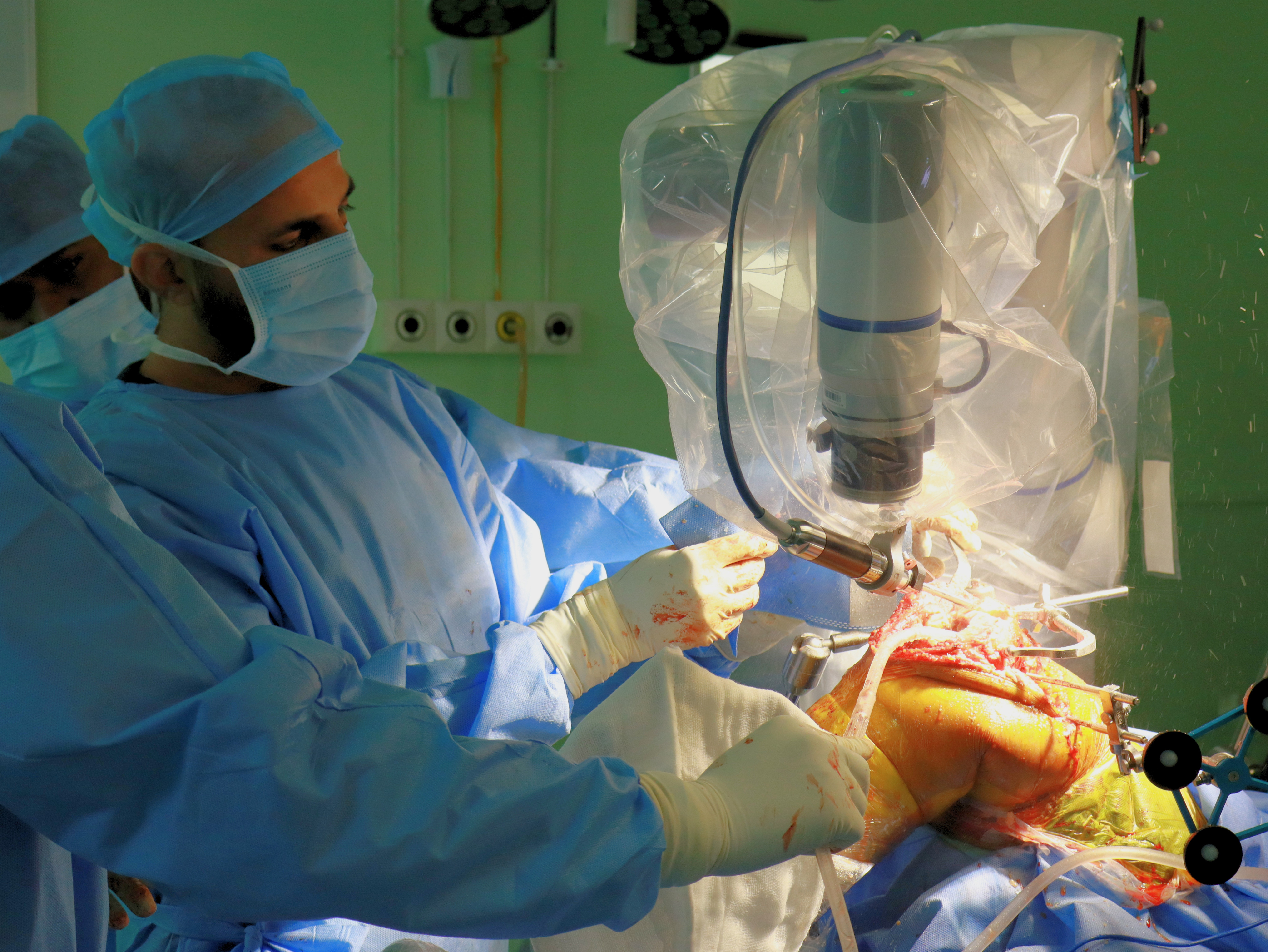
The robotic system creates a detailed three-dimensional model of your knee. This allows the surgeon to:
- Assess your knee anatomy accurately
- Plan implant size and position
- Correct deformities precisely
- Balance the knee ligaments effectively
- Preserve healthy bone and soft tissue
During surgery, the robotic system provides real-time feedback, ensuring exceptional accuracy.
Advantages of Robotic Knee Replacement
- Greater Precision: Robotic technology allows precise implant placement, which may improve knee function and longevity.
- Better Alignment: Accurate alignment helps create a more natural-feeling knee.
- Less Soft Tissue Damage: The surgery can be performed with minimal disruption to surrounding tissues.
- Faster Recovery: Many patients begin walking within 24 hours after surgery.
- Reduced Pain: Improved surgical accuracy often leads to a smoother recovery experience.
- Improved Patient Satisfaction: Patients frequently report better knee function and confidence after robotic-assisted surgery.
Robotic vs Conventional Knee Replacement
| Feature | Robotic Knee Replacement | Conventional Knee Replacement |
|---|---|---|
| Precision | Very High | Good |
| Implant Positioning | Customized | Standard |
| Alignment Accuracy | Excellent | Surgeon Dependent |
| Soft Tissue Preservation | Better | Standard |
| Recovery | Often Faster | Standard |
| Technology Assistance | Yes | No |
Is Robotic Knee Replacement Safe?
Yes. Robotic knee replacement is considered a safe and reliable procedure when performed by an experienced orthopedic surgeon. Thousands of successful robotic knee replacements are performed worldwide every year with excellent outcomes.
How Long Does the Surgery Take?
Most robotic knee replacement procedures take approximately 60–90 minutes depending on the complexity of the case.
Recovery After Robotic Knee Replacement
Immediate Mobilization
Standing and walking with support. Knee bending exercises begin under physiotherapist supervision.
Pain Management & Basic Mobility
Improved walking confidence with support. Visible reduction in postoperative pain and swelling.
Independent Movement
Independent walking without walking aids. Smooth resumption of basic daily activities and driving.
Strength & Stability
Significant improvements in joint strength, muscle stability, and overall knee function.
Complete Recovery
Most patients enjoy a near-normal, active lifestyle and can participate in regular physical activities.
Can Diabetic and BP Patients Undergo Surgery?
Yes. Patients with diabetes, hypertension, thyroid disorders, and other medical conditions can safely undergo robotic knee replacement after proper medical evaluation and optimization. A multidisciplinary medical team ensures safety before, during, and after surgery.
How Long Does a Knee Replacement Last?
Modern knee implants can often last 20 years or more when implanted accurately and maintained appropriately. Factors affecting implant longevity include:
- Weight management
- Activity levels
- Bone quality
- Surgical accuracy
- Implant quality
Cost of Robotic Knee Replacement in Mysore
The cost depends on various customized factors, including the type of implant chosen, the duration of the hospital stay, the general medical condition of the patient, and insurance coverage. A detailed clinical consultation helps determine the most suitable treatment plan and expected expenses.
Why Choose Dr. Madhuram Chowdry for Robotic Knee Replacement in Mysore?
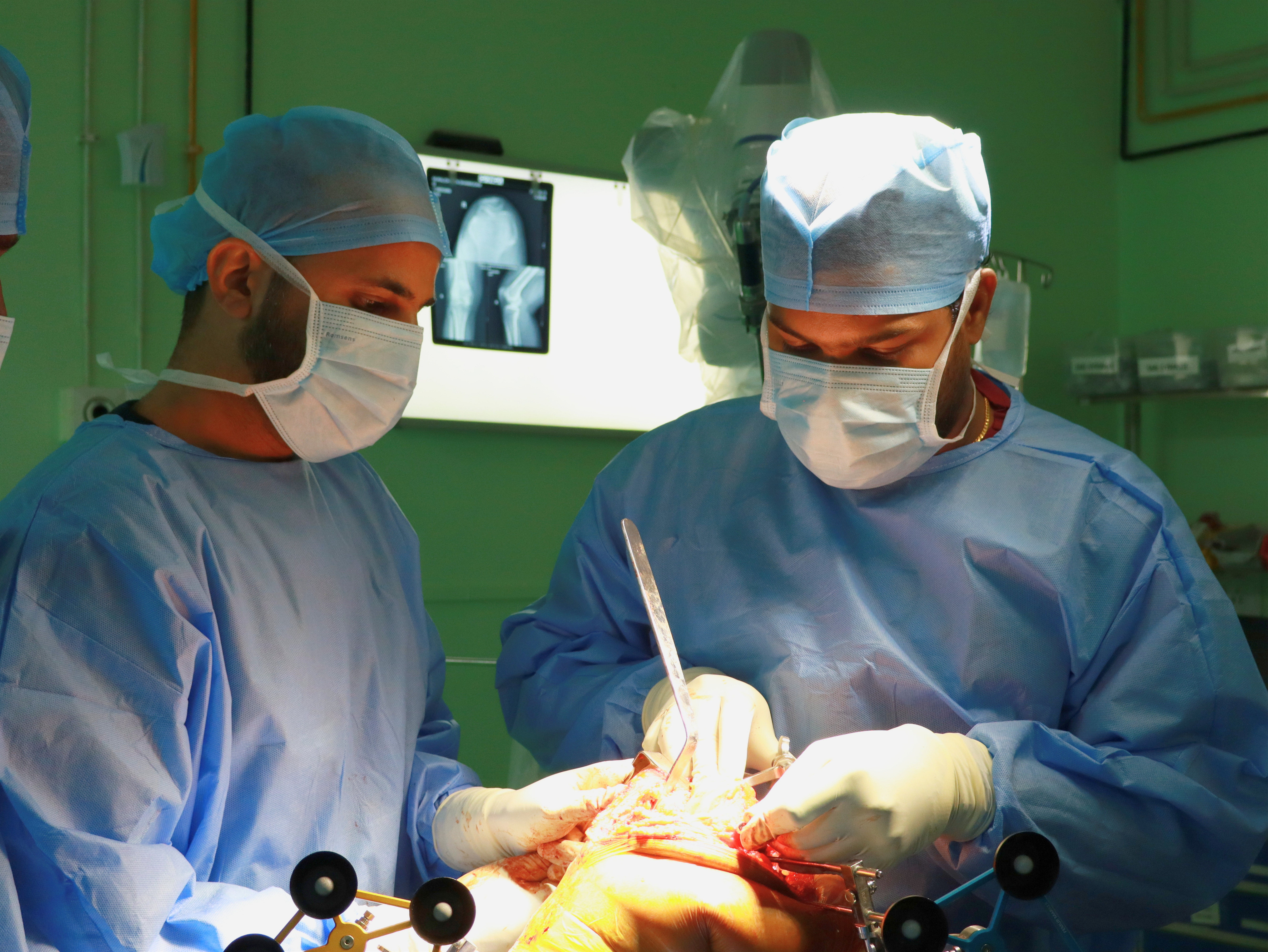
Patients choose Dr. Madhuram Chowdry because of his:
- Expertise in advanced robotic-assisted knee replacement techniques
- Compassionate and personalized patient care
- Focus on minimally invasive techniques for less trauma
- Commitment to rapid recovery protocols
- Patient-centered healthcare approach
- Comprehensive preoperative and postoperative care plans
At A R Hospital, Mysore, every patient receives individualized treatment aimed at restoring mobility and improving their quality of life.
Frequently Asked Questions
Modern advanced pain management protocols, including regional nerve blocks and specialized medication, help minimize discomfort and facilitate early mobilization within hours after surgery.
In selected patients with good overall systemic health and stable medical parameters, bilateral simultaneous knee replacement can be safely performed under one anesthesia session.
Yes. Most patients safely regain the ability to climb stairs comfortably after completes rehabilitation and strengthening exercises.
Most patients can safely resume driving within 4 to 6 weeks, depending on the speed of muscle control recovery, the operated leg (left or right), and the type of vehicle (automatic or manual).
Robotic technology improves surgical precision, bone cuts, and implant alignment. This precise alignment can contribute to longer implant lifespan and a more natural-feeling joint movement.
Conclusion
Robotic knee replacement represents the future of knee arthritis treatment. By combining advanced technology with surgical expertise, patients can achieve excellent pain relief, improved mobility, and enhanced quality of life.
If you are suffering from chronic knee pain and arthritis, consult Dr. Madhuram Chowdry at A R Hospital, Mysore, to determine whether robotic knee replacement is the right option for you. Take the first step toward a pain-free and active life.