

The good news is that knee replacement for diabetic patients can be performed successfully when the patient's overall health is assessed carefully and blood sugar is appropriately managed before, during, and after surgery.
However, diabetes can increase the risk of certain complications following knee replacement. These risks are influenced by factors such as blood glucose control, kidney function, cardiovascular health, obesity, diabetes duration, medications, and the presence of other diabetes-related complications.
A 2025 overview of systematic reviews and meta-analyses found that people with diabetes undergoing total knee arthroplasty had higher rates of complications, including periprosthetic joint infection and deep vein thrombosis. The same review identified inadequate perioperative glycemic control as an important modifiable risk factor.
This does not mean that people with diabetes should avoid knee replacement. Instead, it means that knee replacement for diabetic patients requires careful planning and medical optimization.
In this article, we will discuss the safety of knee replacement for diabetic patients, possible risks, preparation before surgery, blood sugar management, recovery, and questions you should discuss with your orthopedic surgeon and diabetes care team.
Table of Contents
- 1. Is Knee Replacement for Diabetic Patients Safe?
- 2. Why Does Diabetes Matter During Knee Replacement?
- 3. Risks of Knee Replacement for Diabetic Patients
- 4. Blood Sugar Control Before Knee Replacement
- 5. Tests Before Knee Replacement for Diabetic Patients
- 6. How to Prepare for Knee Replacement
- 7. What Happens During Knee Replacement?
- 8. Recovery After Knee Replacement for Diabetic Patients
- 9. Can Diabetic Patients Have Robotic Knee Replacement?
- 10. When Should Knee Replacement Be Delayed?
- 11. How Can Diabetic Patients Reduce Knee Replacement Risks?
- 12. Knee Replacement for Diabetic Patients: When Is It Worth Considering?
- 13. Frequently Asked Questions
- 14. Conclusion: Is Knee Replacement Safe for Diabetic Patients?
Is Knee Replacement for Diabetic Patients Safe?
Yes, knee replacement for diabetic patients can be safe, provided the patient is appropriately evaluated and their diabetes and other medical conditions are adequately managed.
Diabetes itself is not an automatic reason to reject knee replacement surgery. The decision depends on the patient's overall health and the severity of their knee condition.
For someone with advanced knee osteoarthritis, continuing to live with severe pain and reduced mobility can also affect quality of life. If non-surgical treatments are no longer providing adequate relief, knee replacement may be considered.
The goal is not simply to determine whether a patient has diabetes. The key is evaluating how effectively their health and blood glucose can be managed around the time of surgery.
Key evaluation questions include:
- How well is the patient's blood sugar controlled?
- What is the patient's recent HbA1c?
- Does the patient have kidney disease?
- Are there cardiovascular problems?
- Is there diabetic neuropathy?
- Is the patient overweight or obese?
- Are there any active infections?
- What medications are being used to control diabetes?
- Can the patient's diabetes be safely managed around the time of surgery?
The American Diabetes Association's 2026 Standards of Care recommends an HbA1c goal of less than 8% within three months before elective surgery, with individualized assessment. It also recommends monitoring and maintaining blood glucose between 100 and 180 mg/dL around the perioperative period.
These are general recommendations, not a universal rule that every patient must meet before surgery. Your treating doctors may individualize targets based on your health.
Why Does Diabetes Matter During Knee Replacement?
Diabetes affects several systems in the body that are important for surgery and recovery.
When blood glucose remains elevated for prolonged periods, it can affect immune function, circulation, tissue healing, and the body's response to infection.
During surgery, the body also experiences physiological stress. Stress hormones can increase blood glucose, even in people whose diabetes was previously well controlled.
This is why knee replacement for diabetic patients involves more than the surgical procedure itself. Blood sugar management is an important part of the entire treatment pathway.
A systematic review and meta-analysis involving more than 120,000 knees found that patients with diabetes had a significantly higher risk of infection following primary total knee arthroplasty compared with patients without diabetes.
The increased risk does not mean that complications are inevitable. Instead, it highlights why careful preparation and monitoring are important.
Risks of Knee Replacement for Diabetic Patients
Understanding the potential risks can help patients make informed decisions with their healthcare team.
Infection Risk in Knee Replacement for Diabetic Patients
Infection is one of the most important complications doctors try to prevent after knee replacement.
Diabetes is associated with a higher risk of infection after total knee arthroplasty. A meta-analysis found that patients with diabetes had approximately 1.84 times the risk of infection compared with patients without diabetes.
Poorly controlled blood glucose can make infection prevention and wound healing more challenging.
For this reason, the surgical team may assess:
- Blood glucose levels
- HbA1c
- Existing infections
- Skin and foot health
- Kidney function
- Nutritional status
- Other chronic medical conditions
Good glucose management before and after surgery can form an important part of reducing avoidable risk.
Delayed Wound Healing
Blood glucose control can influence the body's ability to heal after surgery.
Some patients with diabetes may experience slower wound healing, particularly when diabetes is poorly controlled or when circulation is compromised.
The surgical team will therefore monitor the incision and surrounding skin carefully during recovery. Patients should also follow instructions regarding wound care, activity, dressing changes, and follow-up appointments.
Blood Clot Risk
Diabetes is also associated with an increased risk of some thromboembolic complications after total knee replacement.
A 2025 review reported a higher risk of deep vein thrombosis (DVT) among people with diabetes undergoing total knee arthroplasty.
To reduce the risk of blood clots, your healthcare team may recommend a combination of:
- Early movement after surgery
- Physiotherapy
- Leg exercises
- Compression measures when appropriate
- Blood-thinning medication when prescribed
The exact plan depends on your individual risk profile.
Other Medical Complications
Patients with diabetes may also have other conditions that need consideration before surgery, including cardiovascular disease, kidney problems, neuropathy, or high blood pressure.
A preoperative medical assessment helps identify these issues and allows the healthcare team to optimize them before surgery.
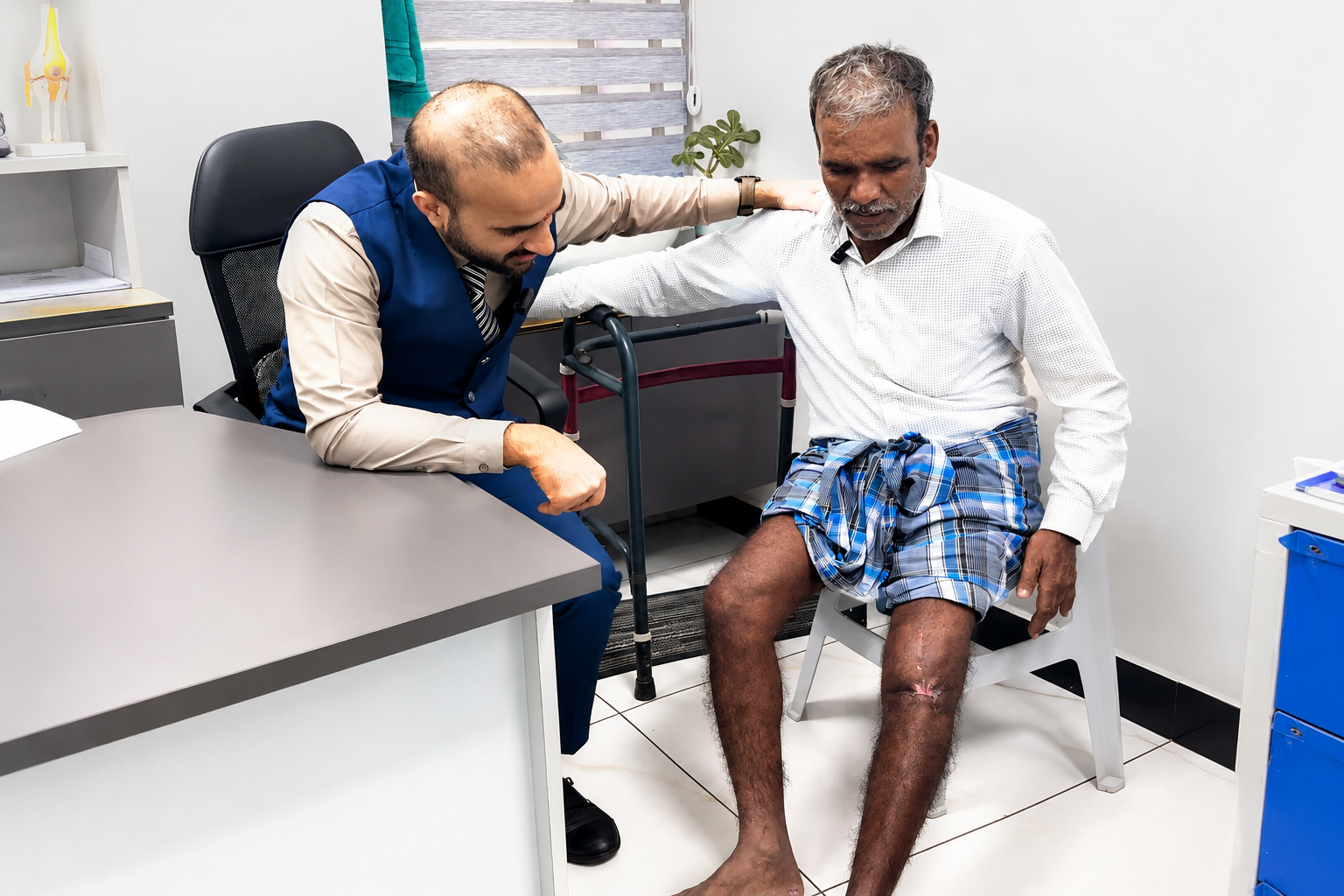
Blood Sugar Control Before Knee Replacement for Diabetic Patients
Blood sugar control is one of the most important considerations before elective knee replacement.
The American Diabetes Association's 2026 recommendations state that an HbA1c below 8% within three months is recommended for elective surgery, with individualized risk-benefit assessment. The recommended perioperative blood glucose range is 100–180 mg/dL.
However, patients should not attempt to rapidly lower their blood sugar or change medication doses without medical supervision.
Your diabetes specialist may review:
- HbA1c
- Fasting glucose
- Post-meal glucose
- Current diabetes medications
- Insulin requirements
- Kidney function
- Other relevant blood tests
If blood sugar is significantly uncontrolled, the medical team may recommend improving glucose management before proceeding with elective surgery.
Importantly, the decision to operate should not be based on HbA1c alone. The ADA notes that postponing surgery solely because of an HbA1c or glucose management indicator is not necessarily appropriate and should involve individualized clinical judgment.
Tests Before Knee Replacement for Diabetic Patients
Before surgery, your orthopedic surgeon and medical team may recommend several assessments.
HbA1c Testing for Knee Replacement for Diabetic Patients
HbA1c provides an estimate of average blood glucose over approximately the previous two to three months. It helps the medical team understand how well diabetes has been controlled recently.
Kidney Function Testing
Diabetes can affect kidney function. Kidney health can influence medication choices, fluid management, and overall surgical planning. Tests may include measurements such as serum creatinine and estimated glomerular filtration rate (eGFR).
Cardiovascular Assessment
Some people with diabetes have an increased risk of cardiovascular disease. Depending on age, symptoms, medical history, and other risk factors, the doctor may recommend additional cardiac evaluation before surgery.
Infection Screening
Any active infection should be identified and appropriately treated before elective joint replacement. Your doctor may also evaluate your skin, feet, teeth, urinary symptoms, and other potential sources of infection depending on your individual history.
How to Prepare for Knee Replacement for Diabetic Patients
Good preparation can make the surgical journey smoother.
1. Optimize Blood Sugar Before Knee Replacement
Work with your diabetes care team to achieve stable glucose levels. Do not stop insulin or diabetes medication on your own. Your medication plan may need temporary adjustment around the time of surgery.
2. Maintain a Healthy Diet
A balanced diet can support blood sugar management and recovery. Focus on adequate protein, vegetables, whole foods, and appropriate carbohydrate portions according to your doctor's or dietitian's advice.
3. Stay Physically Active
If your knee allows it, maintaining appropriate physical activity before surgery can help preserve strength and mobility. Your orthopedic or physiotherapy team can recommend exercises that are suitable for your knee condition.
4. Stop Smoking
If you smoke, stopping before surgery can improve overall health and may support better healing. Discuss a smoking-cessation plan with your doctor.
5. Inform Your Surgeon About All Medications
Tell your healthcare team about every medication and supplement you take. Some diabetes medications require specific adjustments before surgery. For example, the ADA's 2026 guidance includes specific perioperative considerations for medications such as metformin, SGLT2 inhibitors, and insulin. Never change medication timing or dosage without instructions from your treating team.
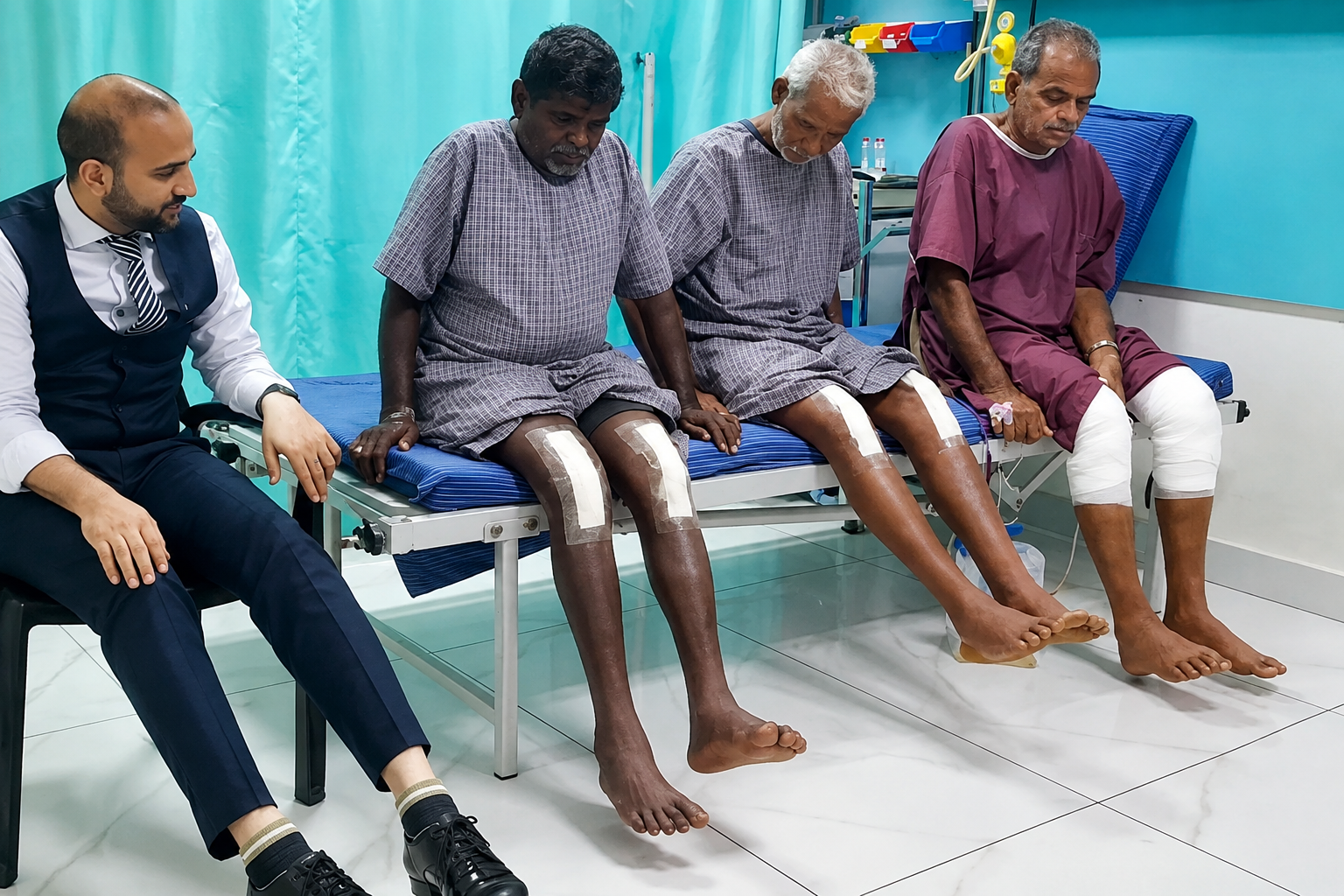
What Happens During Knee Replacement for Diabetic Patients?
During knee replacement, the damaged portions of the knee joint are removed and replaced with artificial components designed to restore function and reduce pain.
For diabetic patients, the surgical process is accompanied by additional attention to:
- Blood glucose monitoring
- Infection prevention
- Medication management
- Fluid balance
- Cardiovascular status
- Wound monitoring
- Early mobilization
The precise approach depends on the patient's health and the surgeon's treatment plan. Modern knee replacement techniques, careful surgical planning, infection-prevention protocols, and coordinated medical care can help patients work toward a safe recovery.
Recovery After Knee Replacement for Diabetic Patients
Recovery after knee replacement involves more than healing the surgical incision. Physiotherapy and gradual rehabilitation are essential for restoring knee movement, strength, balance, and confidence.
For diabetic patients, glucose monitoring remains important during recovery. Illness, reduced activity, changes in appetite, medications, and surgical stress can all affect blood glucose.
Physiotherapy After Knee Replacement for Diabetic Patients
Physiotherapy typically focuses on:
- Improving knee movement
- Strengthening the muscles around the knee
- Improving walking ability
- Reducing stiffness
- Restoring balance
- Gradually returning to daily activities
Your physiotherapist will tailor exercises according to your recovery and medical condition.
Wound Care After Knee Replacement for Diabetic Patients
Patients should follow the surgeon's instructions for incision care. Contact your healthcare team if you notice concerning symptoms such as:
- Increasing redness
- Worsening swelling
- Persistent drainage
- Fever
- Increasing pain
- Wound opening
- Other signs of possible infection
Early evaluation is important if a complication is suspected.
Can Diabetic Patients Have Robotic Knee Replacement?
In selected patients, robotic-assisted knee replacement may be considered as part of the surgical plan.
Robotic technology can assist the surgeon with planning and bone preparation during knee replacement. However, it does not remove the risks associated with diabetes.
Whether robotic-assisted surgery is appropriate depends on factors such as the patient's knee condition, anatomy, overall health, and surgeon's assessment.
For patients interested in robotic-assisted surgery, you can learn more in our cornerstone guide: Robotic Knee Replacement in Mysore: Complete Guide. This guide provides a broader overview of robotic knee replacement, including the procedure, potential benefits, recovery, and commonly asked questions.
When Should Knee Replacement Be Delayed in Diabetic Patients?
Elective knee replacement may sometimes need to be postponed while a medical issue is addressed. Examples can include:
- Poorly controlled blood glucose
- Active infection
- Significant uncontrolled medical conditions
- Certain cardiovascular problems requiring evaluation
- Unstable kidney function
- Other conditions that increase surgical risk
However, there is no single HbA1c number that automatically determines whether every patient can or cannot have surgery. The decision should be individualized after discussion between the orthopedic surgeon, physician, anesthesiologist, and diabetes care team when appropriate.
How Can Diabetic Patients Reduce Knee Replacement Risks?
Patients can take several practical steps to prepare for surgery:
- Keep diabetes under medical supervision: Regular monitoring and appropriate treatment can help maintain stable blood glucose.
- Attend all preoperative appointments: These appointments allow doctors to identify and address potential problems before surgery.
- Follow medication instructions carefully: Some diabetes medications may need temporary changes around surgery.
- Maintain good nutrition: Adequate nutrition supports recovery and overall health.
- Follow physiotherapy instructions: Rehabilitation helps restore strength and mobility.
- Monitor the surgical wound: Report concerning changes promptly.
- Keep follow-up appointments: Follow-up allows the surgical team to monitor healing, knee function, and possible complications.
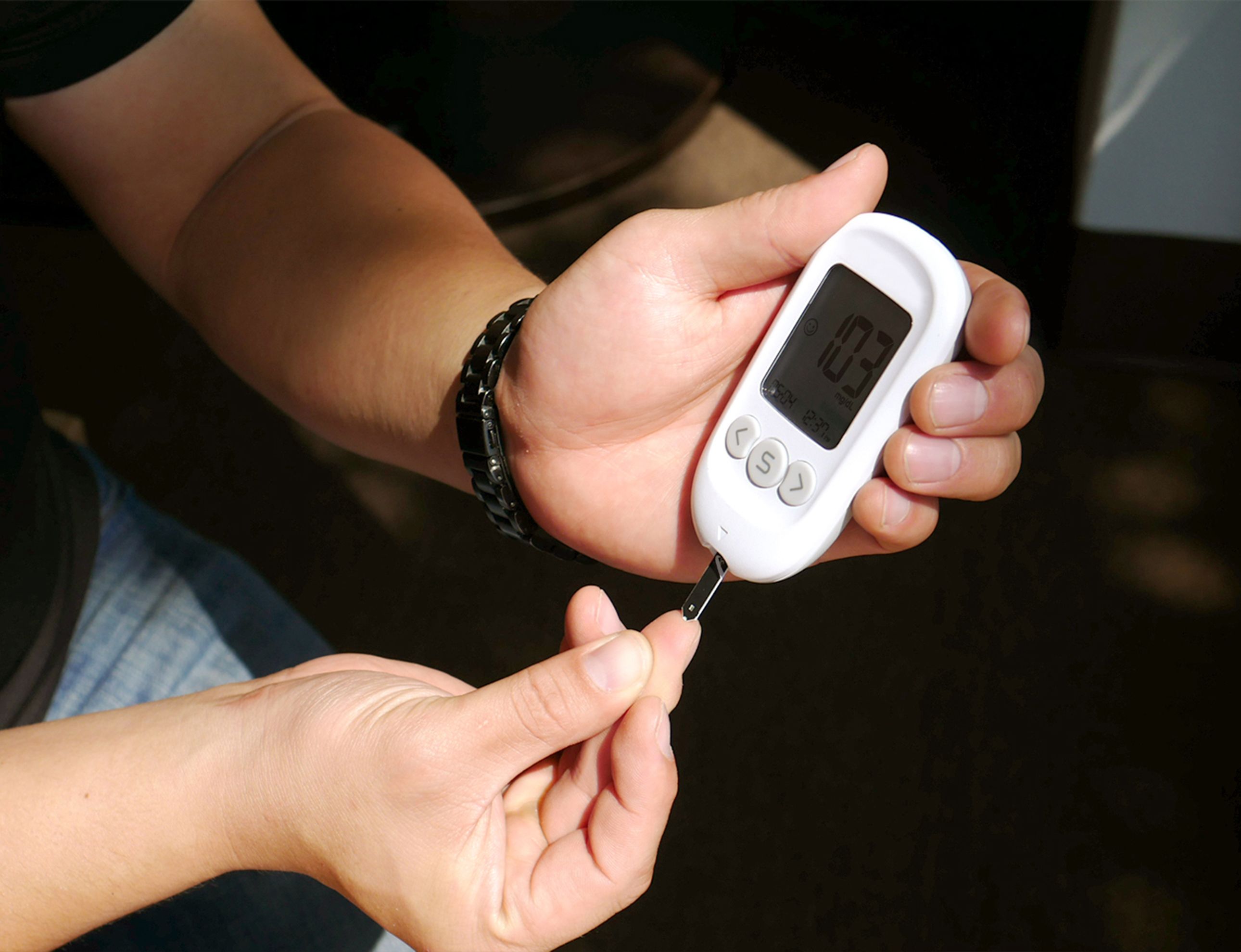
Knee Replacement for Diabetic Patients: When Is It Worth Considering?
Knee replacement is generally considered when advanced arthritis or other severe joint damage causes persistent pain and functional limitations despite appropriate non-surgical treatment.
Common signs that surgery may need to be discussed include:
- Persistent knee pain
- Difficulty walking
- Pain at night
- Difficulty climbing stairs
- Significant stiffness
- Reduced ability to perform daily activities
- Limited benefit from medicines, physiotherapy, injections, or lifestyle measures
- Advanced arthritis visible on X-rays
If you are experiencing these symptoms and also have diabetes, do not assume that diabetes automatically rules out surgery. Instead, discuss your individual risks and benefits with an experienced orthopedic surgeon.
Related Educational Resources
For additional information, patients can also explore our related guide articles:
Frequently Asked Questions About Knee Replacement for Diabetic Patients
Yes. Knee replacement can be performed safely in many diabetic patients. However, diabetes can increase the risk of certain complications, particularly when blood glucose is poorly controlled. Careful preoperative assessment and glucose management are important.
The American Diabetes Association's 2026 Standards of Care recommends an HbA1c below 8% within three months before elective surgery, with individualized assessment. However, HbA1c should not be considered the only factor when deciding whether surgery is appropriate.
Yes. Research has found a higher risk of infection following total knee arthroplasty in patients with diabetes compared with those without diabetes. Good glucose management and appropriate infection-prevention measures are therefore important.
Some diabetic patients may be candidates for robotic-assisted knee replacement. Diabetes itself does not automatically exclude someone from robotic surgery. Suitability depends on the patient's knee condition, anatomy, overall health, and surgeon's assessment.
Preparation may include optimizing blood glucose, completing medical and cardiac assessments when appropriate, reviewing medications, maintaining suitable nutrition and physical activity, treating active infections, and following the orthopedic team's instructions.
Yes. Surgical stress, changes in activity, medications, appetite, and other factors can affect blood glucose during recovery. Blood glucose is therefore monitored and managed around the time of surgery.
Recovery varies between individuals. Many patients gradually improve over several weeks, while strength, mobility, and confidence can continue improving for several months. Diabetes and other health conditions may influence recovery, so rehabilitation should be individualized.
Not necessarily. Diabetes does not automatically mean that knee replacement should be avoided. The decision should be based on the severity of the knee problem, diabetes control, other medical conditions, surgical risks, and expected benefits.
Conclusion: Is Knee Replacement Safe for Diabetic Patients?
Knee replacement for diabetic patients can be safe and effective when the patient is appropriately evaluated and prepared.
Diabetes does increase the risk of certain complications after total knee replacement, particularly infection and blood-clot-related complications. However, these risks need to be considered alongside the potential benefits of relieving severe knee pain and improving mobility.
The most important steps are careful preoperative assessment, appropriate blood sugar management, medication planning, infection prevention, and structured rehabilitation.
If you have diabetes and severe knee arthritis, do not assume that you cannot undergo knee replacement.
Instead, speak with an orthopedic surgeon who can evaluate your knee condition and coordinate with your medical team to determine whether surgery is appropriate for you.
For patients considering robotic-assisted surgery, explore our complete guide: Robotic Knee Replacement in Mysore: Complete Guide.