
Weight Loss and Knee Pain: Understanding the Connection
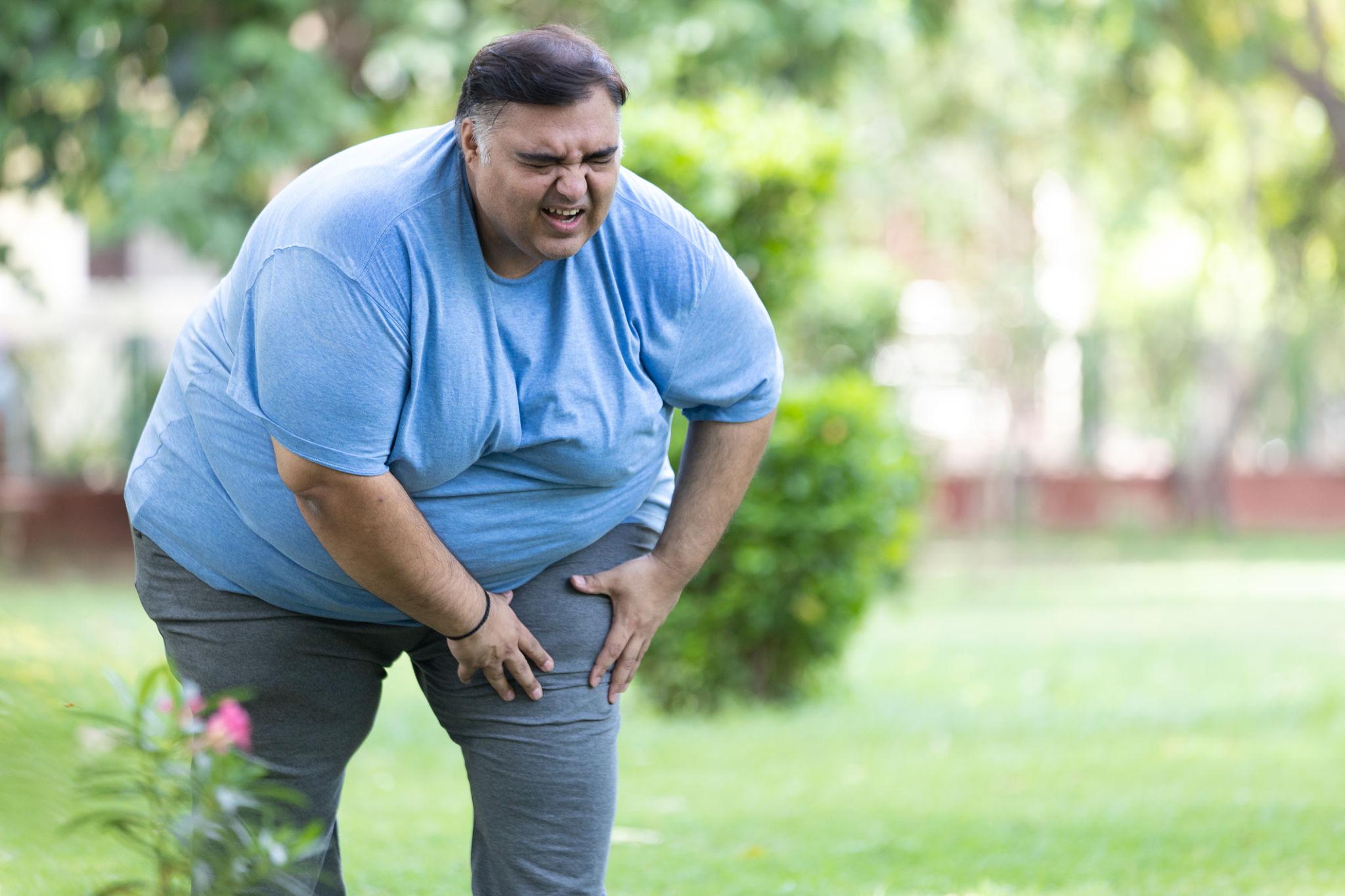
Knee pain can affect people of all ages, but it becomes increasingly common when excess body weight places additional stress on the knees. For people who are overweight or living with obesity, losing weight can be an important part of reducing knee pain and protecting joint health.
The knees are weight-bearing joints that help support the body during walking, standing, climbing stairs, and other everyday activities. When additional weight is carried, the knees may experience greater mechanical stress. Over time, this can contribute to pain, reduced mobility, and an increased risk of developing knee osteoarthritis.
The good news is that even modest weight loss may help improve comfort and mobility for people experiencing knee pain. Weight management, regular physical activity, strength training, and early medical evaluation can all play an important role in maintaining healthy knees.
How Does Excess Weight Affect the Knees?
The knees carry a significant amount of the body's load during daily movement. Activities such as walking, climbing stairs, standing up from a chair, and bending the knees place forces through the joint.
When body weight increases, the amount of load transferred through the knee during movement also increases. This can place additional stress on the cartilage, bones, ligaments, and surrounding tissues.
Excess weight may affect the knees in two major ways:
1. Increased Mechanical Stress
The knees are designed to handle everyday forces, but excess weight can increase the mechanical demands placed on them. Over time, this additional stress may contribute to discomfort and joint degeneration.
2. Metabolic and Inflammatory Effects
Excess body fat is also associated with changes in the body's inflammatory processes. These changes may contribute to the development or worsening of osteoarthritis in addition to the mechanical effects of extra weight.
This means the connection between weight and knee arthritis is not simply about body weight pressing down on the joint. Both mechanical stress and broader metabolic factors may contribute to joint problems.
Can Weight Loss Reduce Knee Pain?
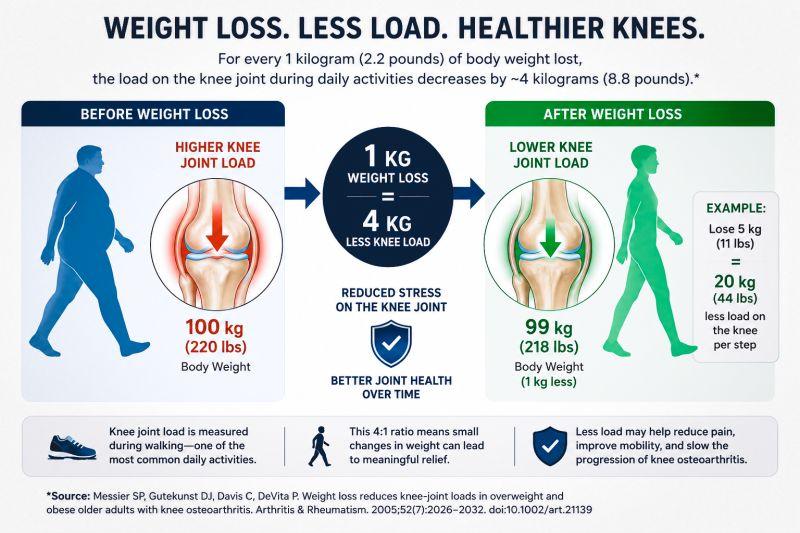
For people who are overweight or have obesity, weight loss can help reduce arthritis-related pain and improve physical function.
The American Academy of Orthopaedic Surgeons recommends sustained weight loss for overweight and obese patients with symptomatic knee osteoarthritis because it may improve pain and function. The CDC also notes that even a modest amount of weight loss can help reduce arthritis-related pain and disability.
However, weight loss should not be viewed as a quick cure for every type of knee pain. Knee pain may also be caused by:
- Ligament injuries
- Meniscus tears
- Sports injuries
- Rheumatoid arthritis
- Gout
- Bursitis
- Tendon problems
- Advanced osteoarthritis
- Previous fractures or joint damage
If knee pain is persistent, severe, associated with swelling, or affecting your ability to walk, you should consult an orthopaedic specialist for proper evaluation.
How Much Weight Loss Can Help Knee Health?
There is no single weight-loss target that applies to everyone. The amount of weight a person should lose depends on their overall health, body composition, age, medical conditions, and individual goals.
For some people, even a modest reduction in body weight can improve mobility and reduce stress on the knees. A gradual, sustainable approach is usually more beneficial than extreme dieting or rapid weight-loss methods.
A healthy weight-loss plan may include:
- A balanced diet
- Appropriate portion control
- Regular physical activity
- Strength training
- Adequate sleep
- Professional guidance when needed
The goal is not simply to lose weight quickly. The goal is to create long-term lifestyle habits that help maintain a healthy weight and protect the knees.
Does Losing Weight Prevent Knee Arthritis?
Weight loss may help reduce the risk of developing or worsening knee osteoarthritis, particularly in people who are overweight or obese.
However, knee arthritis can develop for many reasons. Some risk factors cannot be changed, including:
- Age
- Genetics
- Previous knee injuries
- Certain medical conditions
- Natural joint changes
Therefore, losing weight cannot guarantee that a person will never develop arthritis. However, maintaining a healthy weight is one important step that may help reduce preventable stress on the knees.
Other strategies that may help protect knee health include:
- Avoiding unnecessary joint injuries
- Staying physically active
- Strengthening the muscles around the knee
- Maintaining good mobility
- Managing existing health conditions
- Seeking treatment for persistent knee pain early
The CDC and NHS both recognize weight management, physical activity, and joint protection as important parts of managing or reducing the risk of osteoarthritis-related problems.
The Best Exercises for Weight Loss When You Have Knee Pain
Many people with knee pain avoid exercise because they are afraid that movement will worsen their symptoms. However, complete inactivity can lead to muscle weakness, stiffness, reduced mobility, and further difficulty with weight management.
The right exercise programme should be selected according to your symptoms and overall health.
Walking
Walking can be an effective low-cost form of physical activity. If walking causes significant pain, start with shorter distances and gradually increase activity as tolerated.
Swimming and Water Exercise
Water-based exercise can reduce the amount of weight-bearing stress placed on the knees while allowing the body to remain active.
Cycling
Stationary cycling or gentle cycling may help improve cardiovascular fitness while providing relatively low-impact movement.
Strength Training
Strengthening the muscles around the hips, thighs, and knees can help improve support and stability. Exercises should be performed with appropriate technique and, when necessary, under the guidance of a physiotherapist.
Flexibility Exercises
Gentle stretching can help maintain mobility and reduce stiffness. However, stretching should not cause sharp or severe pain.
If you are starting a new exercise programme while experiencing knee pain, consult a healthcare professional for guidance. Exercise is generally an important part of arthritis management, but excessive activity or incorrect exercises may aggravate symptoms.
Diet and Weight Management for Healthier Knees
There is no single “magic diet” that can reverse knee arthritis. However, a balanced eating pattern can help support healthy weight management.
A healthy diet may include:
More Fruits and Vegetables
These provide important vitamins, minerals, and fibre while helping create balanced meals.
Adequate Protein
Protein can help support muscle maintenance, particularly when a person is trying to lose weight. Strong muscles around the knee can provide better support during movement.
Whole Grains
Whole grains may provide more fibre and help support a balanced diet.
Healthy Fats
Foods containing unsaturated fats may be included as part of an overall balanced eating pattern.
Fewer Highly Processed Foods
Reducing excess intake of highly processed foods and sugary beverages may make it easier to manage calorie intake.
The most effective diet is often one that a person can follow consistently over the long term. Individuals with diabetes, heart disease, kidney disease, or other medical conditions should seek personalized dietary advice from a qualified healthcare professional.
Why Weight Loss Can Become Difficult When You Have Knee Pain
Weight loss and knee pain can create a difficult cycle.
A person may experience knee pain, so they become less physically active. Reduced activity may contribute to weight gain. Increased weight can then place additional stress on the knees, potentially worsening discomfort.
This cycle can make everyday movement increasingly difficult.
Breaking the cycle does not necessarily mean starting with intense workouts. Small, consistent changes may be more realistic, such as:
- Taking short walks if tolerated
- Performing prescribed physiotherapy exercises
- Choosing low-impact activities
- Improving meal quality
- Reducing sugary drinks
- Increasing daily movement gradually
The most important step is to choose activities that are safe and sustainable.
When Should You See an Orthopaedic Specialist for Knee Pain?
Not all knee pain is caused by weight. You should consider seeking medical evaluation if you experience:
- Persistent knee pain
- Significant swelling
- Difficulty walking
- Knee stiffness that affects daily activities
- A feeling that the knee is giving way
- Pain that prevents sleep
- Difficulty climbing stairs
- Reduced ability to bend or straighten the knee
- Pain that continues despite lifestyle changes
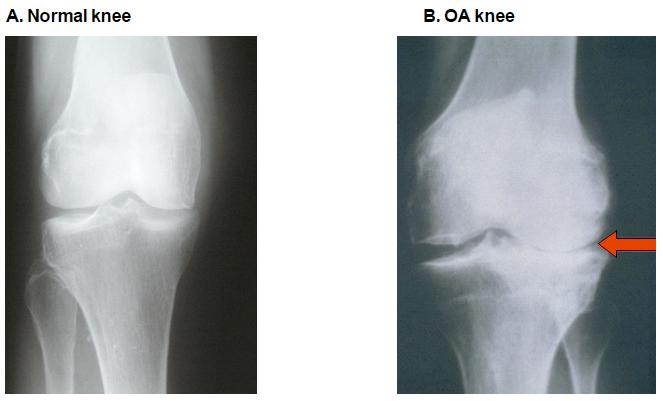
An orthopaedic specialist may evaluate your symptoms, perform a physical examination, and recommend imaging such as X-rays when appropriate.
X-rays can help identify changes associated with osteoarthritis, including narrowing of the joint space and other changes in the bones. In some cases, additional imaging may be required depending on the suspected cause of the pain.
Early evaluation may help identify the problem and guide appropriate treatment before symptoms significantly affect mobility and quality of life.
Can Weight Loss Delay Knee Replacement?
Weight loss may help reduce symptoms and improve mobility in people with knee osteoarthritis. In some cases, managing weight and using non-surgical treatments may help a person remain active and delay the need for surgery.
However, weight loss cannot repair severely damaged cartilage or reverse advanced structural damage in the knee.
When osteoarthritis becomes severe, a person may continue to experience:
- Persistent pain
- Severe stiffness
- Difficulty walking
- Reduced quality of life
- Difficulty performing everyday activities
If conservative treatment no longer provides adequate relief, knee replacement may be discussed.
Modern knee replacement procedures, including robotic-assisted approaches in appropriate patients, are designed to help surgeons plan and perform the procedure with the goal of addressing damaged joint surfaces. The decision to undergo surgery should be based on symptoms, clinical examination, imaging findings, overall health, and a detailed discussion with an orthopaedic surgeon.
Learn more about the procedure, candidacy, recovery, and important considerations in our cornerstone resource: Robotic Knee Replacement in Mysore: Complete Guide.
Weight Loss and Knee Pain: A Practical Prevention Plan
A simple long-term plan for protecting knee health may include:
Step 1: Monitor Your Weight
Understand your current weight and health goals. If you are unsure where to begin, consult a healthcare professional.
Step 2: Start With Low-Impact Activity
Choose activities that are easier on your knees, such as swimming, cycling, or gentle walking when appropriate.
Step 3: Build Muscle Strength
Strong muscles around the hips and thighs can help support movement and stability.
Step 4: Avoid Sudden Increases in Activity
Increasing exercise too quickly may worsen knee pain. Progress gradually.
Step 5: Do Not Ignore Persistent Pain
Pain that continues or worsens should be evaluated rather than repeatedly ignored.
Step 6: Focus on Sustainable Weight Loss
Crash diets and extreme exercise plans may be difficult to maintain. Long-term consistency is more important than rapid short-term changes.
Step 7: Seek Expert Guidance When Needed
A doctor, orthopaedic specialist, physiotherapist, or qualified nutrition professional can help create an individualized plan.
The Bottom Line: Weight Loss Can Support Healthier Knees
Weight loss and knee health are closely connected, particularly for people who are overweight or living with obesity. Losing even a modest amount of weight may help reduce pain, improve movement, and reduce the physical stress placed on the knees.
However, weight loss is only one part of knee arthritis prevention and management. Regular physical activity, muscle strengthening, injury prevention, early medical evaluation, and appropriate treatment are also important.
If you already have significant knee arthritis, lifestyle changes may help manage symptoms, but they may not reverse advanced joint damage. When pain and mobility problems become severe, an orthopaedic specialist can discuss appropriate treatment options, including surgical procedures when necessary.
For a detailed overview of modern knee replacement treatment, preparation, recovery, and robotic-assisted surgery, read: Robotic Knee Replacement in Mysore: Complete Guide.
Frequently Asked Questions (FAQs)
Yes. For people who are overweight or have obesity, weight loss may reduce stress on the knees and improve arthritis-related pain and physical function. Even modest weight loss may provide benefits for some individuals.
Yes. Excess weight is associated with a higher risk of knee osteoarthritis because of increased mechanical stress and other metabolic factors.
No. Weight loss cannot completely prevent knee arthritis because age, genetics, previous injuries, and other factors can also contribute. However, maintaining a healthy weight may help reduce stress on the knees.
Low-impact activities such as swimming, cycling, and appropriate walking may be suitable for many people. Strengthening exercises can also help support the muscles around the knee. The best exercise depends on the individual's symptoms and health.
Not necessarily. Complete inactivity may lead to weakness and stiffness. However, severe or worsening pain should not be ignored. A healthcare professional can help determine which exercises are appropriate.
Weight loss may help reduce symptoms and improve mobility, but it cannot reverse severe structural damage in the knee. Whether knee replacement is needed depends on symptoms, examination findings, imaging, and response to other treatments.
You may help protect your knees by maintaining a healthy weight, staying physically active, strengthening supporting muscles, preventing injuries, and seeking treatment for persistent knee pain.
See an orthopaedic specialist if knee pain is persistent, worsening, associated with significant swelling, causing difficulty walking, or affecting sleep and everyday activities.