
Knee pain can gradually change everyday life. Walking, climbing stairs, getting out of a chair and even sleeping can become difficult when advanced knee arthritis damages the joint.
For many patients, knee replacement surgery can provide significant pain relief and restore mobility when non-surgical treatments no longer provide adequate relief. But what happens when a patient also has high blood pressure (BP), coronary artery disease, a previous heart attack, heart failure, an irregular heartbeat or another cardiovascular condition?
This is a common concern.
Having high BP or heart disease does not automatically mean that knee replacement is impossible. However, these conditions can change how the patient is evaluated and managed before, during and after surgery. Research involving patients undergoing total knee arthroplasty has found associations between cardiovascular disease, hypertension and postoperative complications, which is why careful preoperative assessment is important.
2024 AHA/ACC Perioperative Cardiovascular Guideline
The 2024 American Heart Association / American College of Cardiology (AHA/ACC) perioperative guideline emphasizes a stepwise cardiovascular assessment, appropriate medication management and team-based care for patients with cardiovascular disease undergoing non-cardiac surgery.
If you are considering knee replacement in Mysore, this guide explains what patients with BP or heart disease should discuss with their orthopaedic surgeon, cardiologist and anaesthesia team.
Important: This article is for general education and does not replace an individual examination or medical advice. The decision to undergo knee replacement should be made after assessment of your knee condition and overall health.
Table of Contents
- 1. What Is Knee Replacement Surgery?
- 2. Can You Have Knee Replacement If You Have High BP?
- 3. Can Patients With Heart Disease Have Knee Replacement?
- 4. Why Is a Heart Evaluation Important Before Knee Replacement?
- 5. What About Blood Thinners?
- 6. What Happens If Blood Pressure Is High Before Surgery?
- 7. Does Heart Disease Make Knee Replacement More Dangerous?
- 8. Is Robotic Knee Replacement an Option for Patients With Heart Disease?
- 9. Can Robotic Knee Replacement Reduce Blood Loss?
- 10. What Should Patients With Heart Disease Do Before Knee Replacement?
- 11. What Happens During Knee Replacement?
- 12. What Happens After Knee Replacement?
- 13. Warning Signs After Knee Replacement
- 14. Questions to Ask Your Orthopaedic Surgeon
- 15. Frequently Asked Questions
- 16. Conclusion
1. What Is Knee Replacement Surgery?
Knee replacement, also called knee arthroplasty, is a surgical procedure in which damaged surfaces of the knee joint are replaced with artificial components.
It may be considered when severe arthritis or joint damage causes:
- Persistent knee pain
- Difficulty walking
- Difficulty climbing stairs
- Significant joint stiffness
- Reduced knee range of movement
- Pain that affects sleep
- Difficulty performing everyday activities
- Reduced quality of life despite appropriate non-surgical treatment
Treatment is individualized. Depending on the location and severity of joint damage, a surgeon may consider a total or partial knee replacement.
Before recommending surgery, the orthopaedic team generally evaluates symptoms, physical examination findings and imaging such as X-rays. Non-surgical treatments may also be considered depending on the patient's condition.
For a broader explanation of the procedure, preparation and recovery, patients can also read our cornerstone resource: Robotic Knee Replacement in Mysore: Complete Guide.
2. Can You Have Knee Replacement If You Have High BP?
In many cases, yes.
High blood pressure is common among people who require joint replacement. The important question is not simply whether a patient has hypertension, but whether the blood pressure is adequately assessed and managed and whether there are additional cardiovascular or other medical conditions.
Studies of knee arthroplasty patients have identified hypertension as a factor associated with certain postoperative complications. A recent nationwide study also found an association between hypertension and deep-vein thrombosis (DVT) after knee arthroplasty, highlighting the importance of individualized risk assessment and blood-clot prevention.
Your healthcare team may therefore review:
- Recent BP readings and long-term control trends
- Current blood pressure medications and dosing schedules
- Kidney function (serum creatinine, electrolytes, eGFR)
- Diabetes status and blood glucose levels
- Previous heart problems or coronary artery disease
- Previous stroke or transient ischemic attacks (TIA)
- Smoking history
- Weight, body mass index (BMI), and general fitness
- Other prescription or over-the-counter medications
- Previous surgical and anaesthesia history
Importantly, patients should not stop or change their BP medicines on their own before knee replacement. Medication instructions depend on the specific drug, the patient's cardiovascular condition and the type of surgery and anaesthesia planned.
3. Can Patients With Heart Disease Have Knee Replacement?
A history of heart disease requires additional attention, but it does not automatically rule out knee replacement.
Heart conditions that may need consideration include:
- Coronary artery disease
- Previous heart attack (myocardial infarction)
- Heart failure (reduced or preserved ejection fraction)
- Heart-valve disease (e.g., aortic stenosis, mitral regurgitation)
- Abnormal heart rhythms (arrhythmias)
- Atrial fibrillation
- Previous cardiac procedures (coronary stents, angioplasty, or bypass surgery)
- Other significant cardiovascular conditions
Predictors of Postoperative Cardiac Complications
Research involving large groups of total knee arthroplasty patients has found that pre-existing cardiovascular conditions are associated with increased risks of certain postoperative complications. Another study of more than 46,000 patients undergoing total knee or hip arthroplasty found that advanced age, hypertension requiring medication and a history of cardiac disease were significant predictors of postoperative cardiac complications.
That does not mean that every patient with heart disease will experience a complication.
Instead, it means that the medical team needs to understand the patient's individual cardiovascular status and plan accordingly.
4. Why Is a Heart Evaluation Important Before Knee Replacement?
Knee replacement is a major surgical procedure. Even though the operation is performed on the knee, surgery, anaesthesia, changes in blood pressure, fluid balance, pain and the body's physiological stress response can affect the cardiovascular system.
The 2024 AHA/ACC guideline recommends a structured approach to cardiovascular evaluation before non-cardiac surgery. It also emphasizes avoiding unnecessary testing while identifying patients who require additional evaluation or optimization.
Depending on the patient's history, the medical team may consider tests such as:
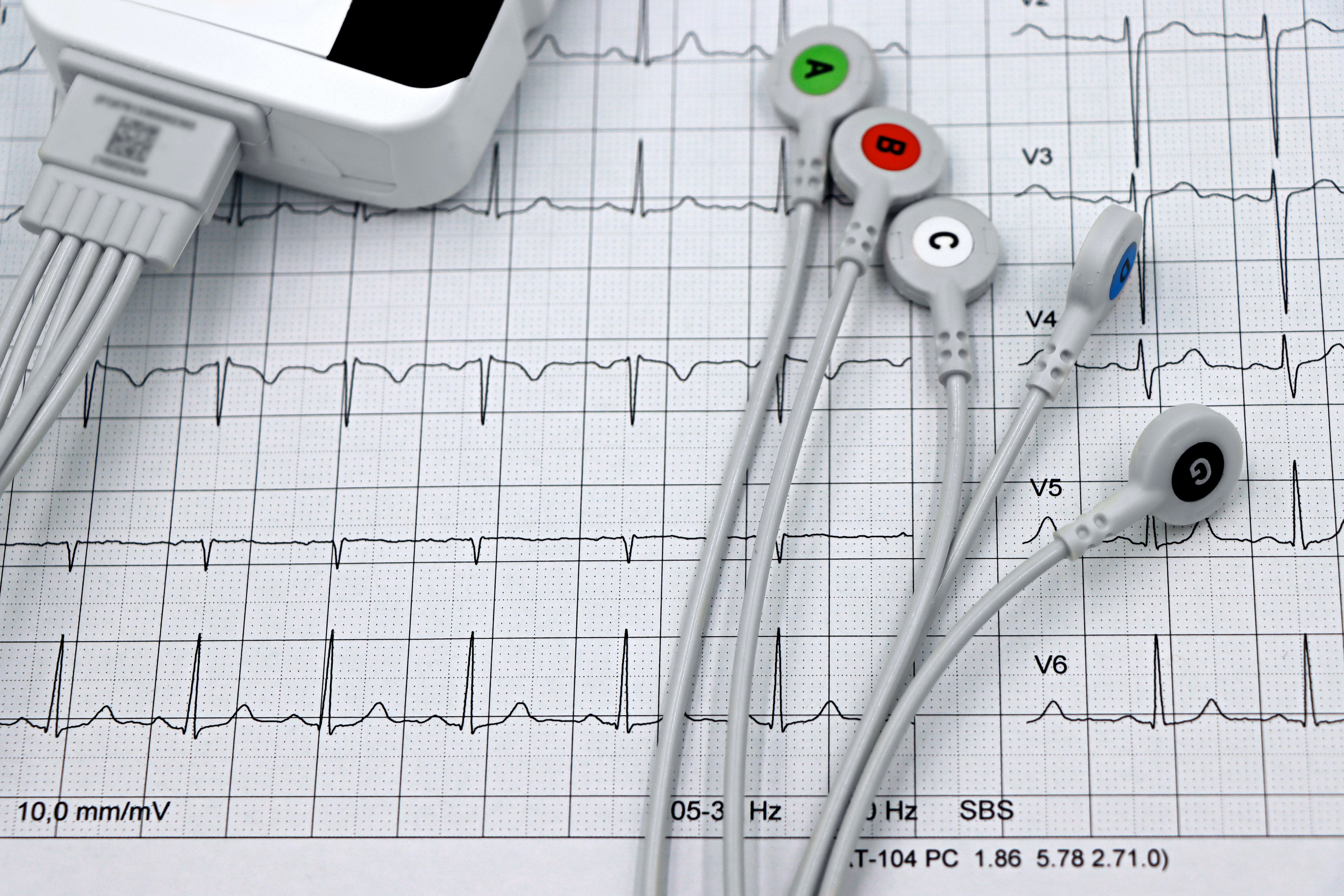
Electrocardiogram (ECG)
An electrocardiogram records the electrical activity of the heart and may help identify rhythm abnormalities, conduction delays, or prior ischemic findings that require further evaluation.
Echocardiogram
An echocardiogram uses ultrasound to assess the heart's structure and function (including ejection fraction and valve competence). It may be considered when clinically indicated, particularly in patients with known or suspected heart failure or valve disease.
Comprehensive Blood Tests
Blood tests evaluate haemoglobin, kidney function, serum electrolytes, coagulation profile, fasting blood glucose, and other metabolic markers relevant to surgical planning.
Cardiology Consultation
A cardiologist reviews the patient's medical history, current cardiac symptoms, functional capacity, previous investigations, and medication regimens.
Additional Cardiac Testing
Stress testing or other advanced investigations are not automatically required for every patient. Current guidelines emphasize targeted testing when the result is expected to change management rather than routine testing for everyone.
5. What About Blood Thinners?
This is one of the most important issues for patients with heart disease.
Some patients take medicines that reduce blood clotting because of conditions such as:
- Atrial fibrillation
- Previous blood clots (deep-vein thrombosis or pulmonary embolism)
- Coronary artery disease
- Previous cardiac procedures (such as coronary stents)
- Certain heart-valve conditions or mechanical prostheses
These medicines may include anticoagulants (e.g., warfarin, apixaban, rivaroxaban, dabigatran) or antiplatelet medications (e.g., aspirin, clopidogrel, ticagrelor).
Never stop aspirin, warfarin, apixaban, rivaroxaban, clopidogrel or another prescribed blood-thinning medication without explicit medical instructions. Abruptly stopping blood thinners can dramatically increase the danger of blood clots, heart attacks, or stroke, while taking them too close to surgery can cause severe bleeding.
The timing of stopping and restarting these medicines depends on why they were prescribed, the specific medication, kidney function, bleeding risk and the planned procedure.
The 2024 AHA/ACC guideline specifically addresses perioperative management of anticoagulants and antiplatelet therapy and emphasizes individualized decision-making.
Your orthopaedic surgeon, cardiologist and anaesthesiologist will coordinate closely to formulate a precise, hour-by-hour medication schedule before and after your surgery.
6. What Happens If Blood Pressure Is High Before Surgery?
A single high BP reading does not necessarily tell the entire story.
Blood pressure can temporarily rise because of:
- Anxiety ("white coat" effect or apprehension regarding surgery)
- Acute joint pain
- Poor sleep or fatigue
- Recent physical activity
- Incorrect measurement technique or improper cuff size
- Missed medication doses
- Other acute medical problems or dehydration
For this reason, the healthcare team may repeat measurements in a calm setting and consider the overall clinical picture.
Very high or poorly controlled BP may require further evaluation or treatment before elective surgery. The decision should be made by the treating medical team rather than based on a single number found online.
The 2024 cardiovascular perioperative guideline includes specific recommendations concerning perioperative blood-pressure management to ensure patient safety.
7. Does Heart Disease Make Knee Replacement More Dangerous?
Patients with significant cardiovascular disease can have a higher risk of complications than patients without those conditions.
Possible complications following knee replacement can include:
- Cardiac complications (myocardial ischemia, heart failure exacerbation)
- Blood clots (deep-vein thrombosis or pulmonary embolism)
- Surgical site or systemic infection
- Bleeding complications or need for transfusion
- Kidney problems (acute kidney injury or electrolyte imbalances)
- Blood-pressure fluctuations (hypotension or hypertension)
- Heart rhythm abnormalities (such as new-onset atrial fibrillation)
- Pulmonary complications
The level of risk varies considerably between patients.
For example, someone with well-controlled hypertension and no symptoms of heart disease is very different from a patient with recently worsening heart failure, unstable angina, or active cardiac symptoms.
Research has shown associations between pre-existing cardiovascular conditions and adverse outcomes following total knee arthroplasty, supporting the importance of individualized preoperative evaluation.
The goal of preoperative assessment is therefore not simply to decide whether surgery is "safe" or "unsafe." It is to identify potentially modifiable risks, determine whether additional evaluation is necessary and create an appropriate, proactive perioperative plan.
8. Is Robotic Knee Replacement an Option for Patients With Heart Disease?
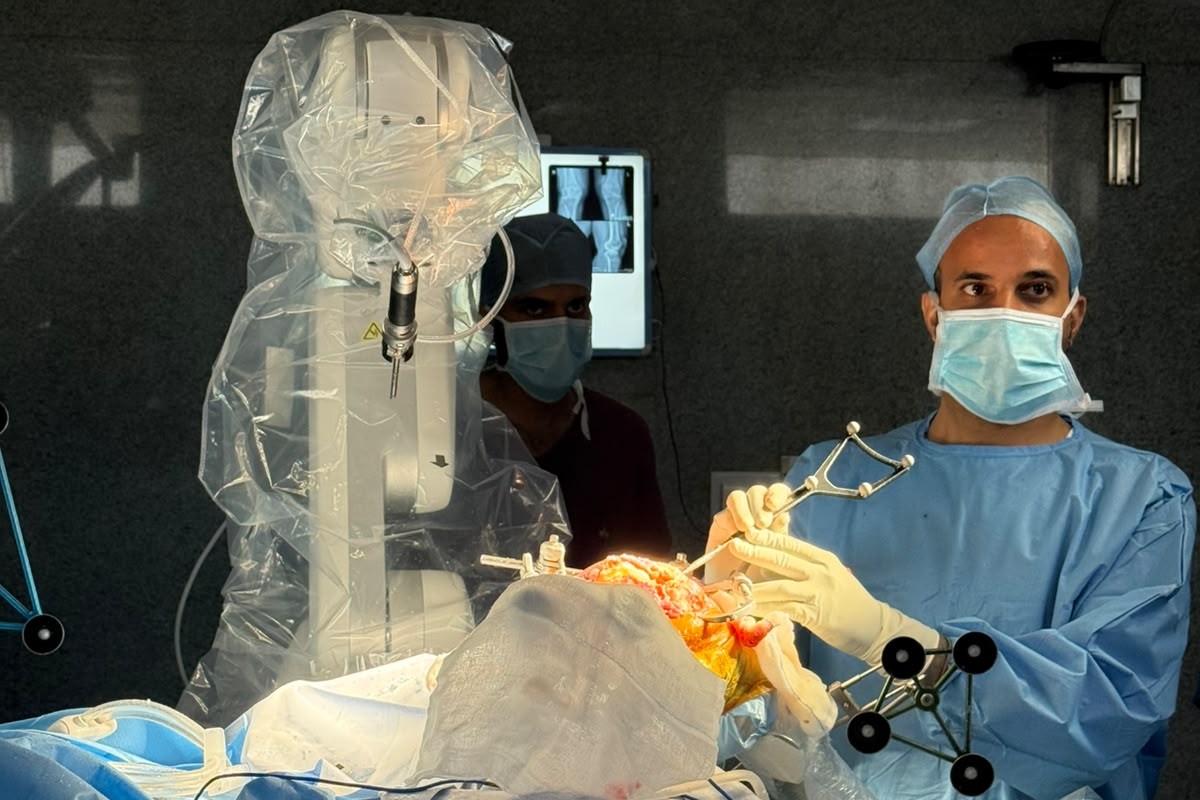
Robotic-assisted knee replacement is an advanced form of knee arthroplasty in which computer-assisted technology helps the surgeon with preoperative planning and precise surgical execution.
It is important to understand one common misconception:
The robot does not independently perform the knee replacement. The orthopaedic surgeon remains in complete control of the operation at all times and uses the robotic system as a sophisticated precision tool.
Robotic systems can assist with 3D surgical planning, component alignment and accurate bone preparation. However, robotic assistance should not be presented as a way to eliminate the cardiovascular risks associated with surgery.
The patient's heart and BP condition still need to be evaluated in the same careful manner as with conventional knee replacement.
The American Academy of Orthopaedic Surgeons (AAOS) clinical practice guideline states that available evidence has not demonstrated a significant short-term difference in function, outcomes or complications between robotic-assisted and conventional total knee arthroplasty.
Therefore, the decision to use robotic assistance should be based on the patient's knee anatomy, the surgeon's clinical assessment, available technology and individual circumstances—not simply on the presence of heart disease.
9. Can Robotic Knee Replacement Reduce Blood Loss?
Blood-loss management is an essential part of modern knee replacement.
Surgical teams use a combination of techniques to minimize blood loss and reduce the likelihood of transfusion when appropriate, including minimally invasive tissue handling, careful haemostasis, and medications such as tranexamic acid when safe.
However, it would be inaccurate to promise that robotic knee replacement completely eliminates blood loss or cardiovascular risk.
The patient's haemoglobin level, medications, kidney function, cardiovascular status and surgical plan all matter. This is particularly important for patients with heart disease because anaemia and significant changes in circulating blood volume can place additional strain on the cardiovascular system.
Your surgical and anaesthesia teams should therefore develop a customized blood-management plan appropriate for your individual condition.

10. What Should Patients With Heart Disease Do Before Knee Replacement?
Preparation should begin weeks before your scheduled surgery.
Keep Medical Records Ready
Compile records of prior heart attacks, angioplasty or stents, bypass surgery, heart valve issues, heart failure, atrial fibrillation, hospitalizations, and anaesthesia complications, along with an exact medication list.
Take Medicines Exactly as Instructed
Never independently alter cardiac or blood-thinning pills. Ask your team specifically: "Which medicines should I take on the morning of surgery with a sip of water, and which should I pause?"
Monitor Your Blood Pressure
Maintain your regular home blood pressure monitoring routine. Log readings morning and evening, and share this diary with your surgeon and cardiologist during preoperative visits.
Follow Cardiac Advice
If your cardiologist has recommended specific medical treatments, investigations, or lifestyle modifications, adhere strictly to that clinical regimen prior to surgery.
Inform Your Anaesthesiologist
The anaesthesia team requires a thorough, transparent medical history to choose the optimal anaesthetic technique, advanced invasive or non-invasive monitoring, and postoperative analgesia.
Work on General Fitness
Preoperative conditioning (prehab) helps prepare muscles for rehabilitation. However, all physical exercise must remain strictly within safe cardiovascular limits established by your physician.
Stop Smoking
Smoking compromises cardiovascular stability, impairs tissue oxygenation, and increases wound-healing and infection complications. Discuss smoking cessation resources well before surgery.
11. What Happens During Knee Replacement?
Once the multidisciplinary team has confirmed surgical fitness, the patient proceeds to surgery. Modern knee replacement generally involves the following sequential steps:
Anaesthesia Administration
The anaesthesia team selects an appropriate technique—often regional neuraxial anaesthesia (such as spinal anaesthesia) combined with targeted nerve blocks—which provides excellent pain relief while maintaining cardiovascular stability.
Surgical Preparation & Positioning
The surgical limb is cleaned and draped in sterile conditions. Continuous monitoring tracks heart rate, rhythm, oxygenation, and blood pressure minute by minute.
Removal of Damaged Surfaces
Worn cartilage and damaged arthritic bone surfaces are resurfaced precisely according to surgical planning, preserving healthy surrounding bone and soft tissue.
Implant Placement & Balancing
Biocompatible femoral, tibial, and patellar components are positioned and tested to ensure natural joint alignment, ligament balance, stability, and smooth range of motion.
Closure & Recovery Transition
The surgical incision is carefully closed in layers, sterile dressings are applied, and local periarticular analgesia is administered before moving the patient to the monitored recovery suite.
For robotic-assisted surgery, computer-assisted technology can help the surgeon with planning and positioning, but the surgeon remains in complete control throughout the entire procedure.
12. What Happens After Knee Replacement?
The postoperative period is particularly important for patients with BP or heart disease. In the recovery room and surgical ward, the healthcare team closely monitors:
- Blood pressure trends and stability
- Heart rate and cardiac rhythm
- Oxygen saturation levels
- Pain management and comfort
- Fluid balance and hydration status
- Kidney function and urine output
- Wound condition and surgical dressing
- Mobility and safe limb movement
- Deep-vein thrombosis and blood-clot risk
Early mobilization and physiotherapy are vital components of recovery when medically appropriate. Standing and assisted walking within hours of surgery encourage healthy circulation and promote muscle activation.
Patients will also receive an individualized plan for blood-clot prevention. AAOS patient guidance notes that blood clots can occur after joint replacement and that appropriate preventive measures (including sequential compression devices, early walking, and tailored blood thinners) may be prescribed.
13. Warning Signs After Knee Replacement
Patients and their caregivers should understand when to seek urgent medical attention after discharge.
- Increasing wound redness, warmth, or persistent drainage
- Persistent fever or chills
- Significant, unexplained swelling in the operated leg
- Severe or worsening pain not relieved by prescribed medication
- New calf pain, tightness, or tenderness
- Sudden shortness of breath or difficulty breathing
- Chest pain, tightness, or pressure
- Fainting, lightheadedness, or sudden weakness
- New or severe palpitations (racing or irregular heartbeat)
Chest pain, severe breathlessness or other potentially serious symptoms require immediate emergency medical assessment.
AAOS patient information also identifies symptoms such as calf pain/swelling, chest pain and shortness of breath as warning signs that can occur with blood-clot complications (such as DVT or pulmonary embolism).
14. Questions to Ask Your Orthopaedic Surgeon
If you have high BP or heart disease and are considering knee replacement, consider discussing these focused questions with your surgical team:
- Do I actually need knee replacement now, or are non-surgical alternatives still appropriate?
- Is my blood pressure adequately controlled for surgery?
- Do I need a cardiology consultation or medical clearance?
- Do I need an updated ECG, echocardiogram, or other cardiac tests?
- What is the exact plan for my blood-thinning or antiplatelet medications?
- Which BP and heart medicines should I take on surgery morning, and which should I hold?
- What anaesthesia approach is most appropriate and safest for my heart?
- How will my heart rhythm, fluids, and BP be monitored after surgery?
- What is my personalized blood-clot prevention protocol?
- Is robotic-assisted knee replacement appropriate for my specific knee anatomy?
These questions can help you understand your individualized treatment plan rather than relying on general information.
15. Frequently Asked Questions
Many patients with hypertension can undergo knee replacement after appropriate medical evaluation. The surgical team will consider BP control, other medical conditions and the patient's overall cardiovascular risk before elective surgery.
Some patients with heart disease can undergo knee replacement, but the level of risk depends on the specific cardiac condition, its stability, medications and overall health. A cardiology or medical evaluation may be appropriate for patients with significant cardiovascular disease.
Not everyone needs a cardiology consultation. However, patients with known or significant cardiovascular disease may require specialist assessment depending on their medical history and current condition. Current perioperative guidelines recommend targeted cardiovascular evaluation rather than automatically testing every patient.
Do not stop BP medicines on your own. Some medications may be continued, while others may require individualized instructions around the time of surgery. Your surgeon, anaesthesiologist or physician should provide specific instructions.
Blood-thinning medication requires an individualized plan. Stopping an anticoagulant or antiplatelet drug without medical supervision can create serious risks. The treating doctors should decide when medication should be stopped and restarted.
Robotic assistance is a surgical technology and should not be considered a way to remove cardiovascular risk. Patients with heart disease still require appropriate medical and anaesthesia assessment. Evidence has not established a universal short-term complication advantage of robotic-assisted TKA over conventional TKA.
Many patients begin assisted mobility soon after surgery, depending on their medical condition, surgical technique and rehabilitation plan. The exact timeline should be individualized, particularly for patients with cardiovascular conditions.
16. Conclusion
Knee replacement in patients with high BP or heart disease requires planning—not necessarily avoidance.
The most important step is a coordinated evaluation involving the orthopaedic surgeon, anaesthesia team and, when appropriate, cardiologist or physician.
Before surgery, the team may review BP control, cardiac history, medications, blood-thinning treatment, kidney function and overall fitness. After surgery, careful monitoring, blood-clot prevention, pain control and physiotherapy remain important.
For patients considering robotic knee replacement in Mysore, robotic technology may be an option depending on the condition of the knee and the surgeon's assessment. However, the technology does not replace cardiovascular evaluation.
Every patient is different. The right treatment plan should be based on the patient's knee condition, heart health, BP, medications and overall medical status.
To learn more about robotic-assisted knee replacement, see our cornerstone guide: Robotic Knee Replacement in Mysore: Complete Guide.