

Can knee arthritis be treated without surgery? Yes, many people with knee arthritis can manage their symptoms without surgery, especially when the condition is diagnosed early or is not yet severe. Treatment options such as exercise, physiotherapy, weight management, activity modification, medications, and selected injections can help reduce pain and improve mobility.
However, non-surgical treatment does not reverse advanced cartilage damage. When knee arthritis becomes severe and continues to affect walking, sleep, work, or everyday activities despite conservative treatment, knee replacement surgery may become an appropriate option.
In this article, we explain how knee arthritis can be managed without surgery, which treatments may help, when conservative treatment is most effective, and when it may be time to consider knee replacement.
Table of Contents
- 1. What Is Knee Arthritis?
- 2. Can Knee Arthritis Be Treated Without Surgery?
- 3. Exercise and Physiotherapy
- 4. Weight Management
- 5. Activity Modification
- 6. Medications for Knee Arthritis
- 7. Knee Injections
- 8. Walking Aids and Knee Supports
- 9. Heat and Cold Therapy
- 10. Lifestyle Changes for Better Knee Health
- 11. Can Knee Arthritis Be Cured Without Surgery?
- 12. How Do You Know What Stage of Knee Arthritis You Have?
- 13. When Does Non-Surgical Treatment Work Best?
- 14. When Might Knee Replacement Be Necessary?
- 15. What About Robotic Knee Replacement?
- 16. Non-Surgical Treatment vs Knee Replacement
- 17. Can You Prevent Knee Arthritis From Getting Worse?
- 18. Patient Testimonials and Functional Outcomes
- 19. Conclusion
- 20. Frequently Asked Questions
What Is Knee Arthritis?
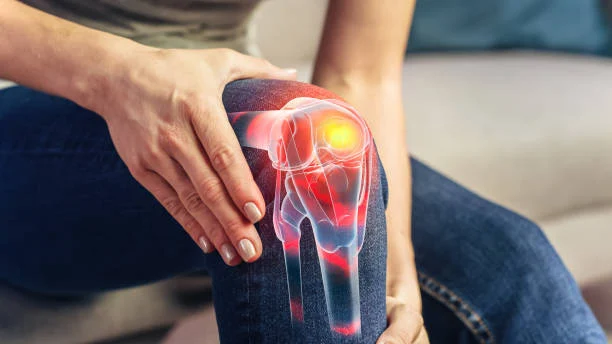
Knee arthritis is a condition in which the cartilage and other structures inside the knee joint gradually deteriorate. The most common type is knee osteoarthritis, which occurs when the protective cartilage covering the ends of the bones becomes damaged or wears down over time.
Healthy cartilage allows the thighbone (femur) and shinbone (tibia) to move smoothly. As cartilage becomes thinner, the joint may become painful and stiff.
Common symptoms of knee arthritis include:
- Knee pain while walking or standing
- Pain while climbing or descending stairs
- Morning stiffness
- Knee swelling
- Reduced knee movement
- Difficulty squatting or sitting cross-legged
- Grinding or clicking sensations
- Pain after prolonged activity
- Difficulty walking long distances
- Increasing dependence on pain medication
The severity of symptoms can vary significantly from person to person. Some people have considerable arthritis on an X-ray but relatively mild symptoms, while others experience significant pain with less extensive changes.
Can Knee Arthritis Be Treated Without Surgery?
Yes, knee arthritis can often be managed without surgery, particularly in the early and moderate stages.
The main goals of non-surgical treatment are to:
- Reduce knee pain
- Improve flexibility
- Strengthen muscles around the knee
- Maintain mobility
- Improve quality of life
- Support healthy body weight
- Delay or avoid surgery when appropriate
Treatment is usually individualized. Your orthopaedic specialist may recommend one treatment or combine several approaches depending on the severity of arthritis and your symptoms.
It is important to understand that non-surgical treatment primarily manages symptoms and function. It cannot reliably restore severely damaged cartilage or reverse advanced osteoarthritis.
1. Exercise and Physiotherapy
Exercise and physiotherapy are among the most important components of non-surgical treatment for knee arthritis.
Knee pain can cause people to become less active. Over time, reduced activity may weaken the quadriceps, hamstrings, hip muscles, and other muscles that support the knee.
A structured exercise programme can help improve:
- Muscle strength
- Knee flexibility
- Balance
- Joint movement
- Walking ability
- Overall physical function
Depending on your condition, your physiotherapist may recommend exercises such as:
- Straight-leg raises
- Seated knee extensions
- Heel slides
- Hamstring stretches
- Quadriceps strengthening
- Hip strengthening
- Low-impact aerobic exercises
Activities such as swimming, stationary cycling, and appropriately paced walking may also be useful for many people.
Exercise should be tailored to your condition. If an exercise causes severe or persistent pain, stop and consult your healthcare professional.
Can exercise make knee arthritis worse?
Appropriate exercise generally does not mean you are damaging your knee further. In fact, maintaining muscle strength and mobility is an important part of managing osteoarthritis.
However, exercises involving excessive impact or movements that repeatedly trigger significant pain may need to be modified.
The goal is to keep moving without repeatedly aggravating the joint.
2. Weight Management
If you are overweight, weight management can play an important role in managing knee arthritis.
The knee experiences considerable forces during everyday activities such as walking, climbing stairs, and standing. Excess body weight can increase the mechanical load on the knee.
Even moderate weight loss may make movement easier and can complement other treatments such as exercise and physiotherapy.
A sustainable weight-management programme may include:
- A balanced diet
- Regular low-impact exercise
- Strength training
- Adequate sleep
- Professional nutritional guidance when required
Weight management should not be considered a standalone cure for knee arthritis. Instead, it is one component of a broader treatment strategy.
3. Activity Modification
Having knee arthritis does not mean you have to stop being physically active.
Instead, you may need to modify activities that consistently aggravate your symptoms.
Depending on your condition, you may benefit from:
- Reducing prolonged squatting
- Limiting repetitive stair climbing
- Avoiding high-impact activities that cause significant pain
- Taking breaks during prolonged standing
- Choosing low-impact forms of exercise
- Using supportive footwear
- Gradually increasing physical activity
The goal is to remain active while reducing unnecessary stress on the painful knee.
Complete inactivity can contribute to muscle weakness and loss of mobility, so finding the right balance is important.
4. Medications for Knee Arthritis
Medications may be used to manage pain and inflammation associated with knee arthritis.
Depending on your health and individual circumstances, your doctor may recommend options such as:
- Paracetamol
- Topical anti-inflammatory medicines
- Non-steroidal anti-inflammatory drugs (NSAIDs)
- Other medications when medically appropriate
Not every medication is suitable for every patient.
People with certain kidney, stomach, cardiovascular, or other health conditions may need to avoid particular medicines or use them under close medical supervision.
Therefore, avoid taking pain medication regularly or for prolonged periods without discussing it with your doctor.
5. Knee Injections
Some patients may benefit from injections as part of their knee arthritis treatment.
Depending on the diagnosis and individual circumstances, an orthopaedic specialist may discuss options such as corticosteroid injections or other injectable treatments.
Corticosteroid injections
Corticosteroid injections may provide temporary pain relief in selected patients, particularly when inflammation contributes to symptoms.
The duration and degree of improvement vary between individuals.
Hyaluronic acid injections
Hyaluronic acid injections have been used for knee osteoarthritis, although their effectiveness varies and they are not routinely recommended for every patient.
PRP injections
Platelet-rich plasma, or PRP, is another treatment that has been studied for knee osteoarthritis.
PRP is prepared from the patient's own blood and contains a concentrated amount of platelets. Some patients may experience symptom improvement, but results can vary.
PRP should not be described as a guaranteed method of rebuilding severely damaged cartilage.
Your orthopaedic specialist can explain whether an injection is appropriate based on the severity and pattern of your arthritis.
6. Walking Aids and Knee Supports
Some people with knee arthritis may benefit from walking aids or supportive devices.
These may include:
- Walking sticks
- Knee braces
- Orthotic devices
- Supportive footwear
A walking stick, when used correctly, may improve stability and reduce the load placed on the painful knee.
However, using an inappropriate brace or incorrectly positioned walking aid may not provide the expected benefit.
A physiotherapist or orthopaedic specialist can guide you on selecting and using an appropriate support.
7. Heat and Cold Therapy
Heat and cold therapy may provide short-term relief for some people with knee arthritis.
Heat therapy
Warmth may help relieve stiffness and make the knee feel more comfortable before stretching or exercise.
Cold therapy
Cold packs may temporarily reduce pain and swelling, particularly after activity.
These methods can be useful as supportive measures, but they do not treat the underlying cartilage damage.
Always use heat and cold safely and avoid applying extreme temperatures directly to the skin.
8. Lifestyle Changes for Better Knee Health
Lifestyle changes can complement medical treatment and help maintain mobility.
Important habits include:
- Maintaining a healthy weight
- Exercising regularly
- Strengthening the muscles around the knee
- Avoiding prolonged inactivity
- Choosing suitable footwear
- Managing activities that trigger pain
- Following a physiotherapy programme
- Getting adequate rest
The objective is not simply to reduce pain temporarily but to maintain your ability to move and perform everyday activities.
Can Knee Arthritis Be Cured Without Surgery?
This depends on what you mean by "cured."
If by cure you mean completely reversing cartilage damage, established osteoarthritis generally cannot be reversed through exercise, medication, or lifestyle changes.
However, if the goal is to reduce pain, improve movement, and maintain daily function, non-surgical treatment can be very effective for many patients.
Someone with early-stage knee arthritis may achieve good symptom control through exercise, weight management, physiotherapy, and appropriate medical treatment.
A person with advanced arthritis, significant joint-space narrowing, deformity, and persistent pain may not receive enough relief from conservative treatment alone.
Therefore, treatment should be based on both the severity of arthritis and the patient's symptoms.
How Do You Know What Stage of Knee Arthritis You Have?
Symptoms alone cannot always determine the severity of knee arthritis.
An orthopaedic assessment may include:
- Medical history
- Physical examination
- Assessment of knee movement
- Evaluation of walking pattern
- X-rays when appropriate
- Additional imaging in selected cases
X-rays can show changes such as joint-space narrowing, bone spurs, and other features associated with osteoarthritis.
However, X-ray findings do not always perfectly match the amount of pain a person experiences.
This means treatment decisions should consider your symptoms, physical examination, imaging findings, lifestyle, and functional limitations rather than relying on an X-ray alone.

When Does Non-Surgical Treatment Work Best?
Non-surgical treatment is often particularly useful when knee arthritis is mild or moderate.
It may be appropriate when:
- Pain is intermittent
- Knee movement remains reasonably good
- You can still perform most daily activities
- Symptoms improve with exercise and lifestyle changes
- There is limited deformity
- You can remain physically active
- Conservative treatment provides meaningful relief
For some patients, these measures may help control symptoms for years.
However, continuing non-surgical treatment should not mean accepting severe, uncontrolled pain indefinitely. If your symptoms progressively worsen, your treatment plan should be reassessed.
When Might Knee Replacement Be Necessary?
Knee replacement may be considered when knee arthritis becomes advanced and continues to significantly affect your quality of life despite appropriate non-surgical treatment.
You may need to discuss knee replacement with an orthopaedic surgeon if you experience:
- Persistent severe knee pain
- Pain at rest or during sleep
- Significant difficulty walking
- Difficulty climbing or descending stairs
- Increasing knee deformity
- Significant loss of knee movement
- Difficulty performing routine activities
- Persistent symptoms despite appropriate conservative treatment
The decision to undergo knee replacement should not be based only on an X-ray.
Your symptoms, physical examination, imaging findings, general health, activity level, and expectations should all be considered.
What About Robotic Knee Replacement?
When knee arthritis becomes advanced and knee replacement is recommended, robotic-assisted knee replacement may be an option for selected patients.
Robotic-assisted technology allows the surgical team to use detailed planning and computer-assisted guidance during the procedure.
The robotic system does not independently perform the operation. The orthopaedic surgeon remains responsible for planning and performing the surgery.
If you want to learn more about robotic-assisted knee replacement, including who may be suitable, the procedure, recovery, and commonly asked questions, read our cornerstone guide:
Robotic Knee Replacement in Mysore: Complete Guide →
This guide provides a more detailed overview of robotic knee replacement and can help you understand what to expect if surgery becomes necessary.
Non-Surgical Treatment vs Knee Replacement
The choice between continued conservative treatment and knee replacement depends on the individual's condition.
| Non-Surgical Treatment | Knee Replacement |
|---|---|
| Usually preferred for early or moderate arthritis | Generally considered for advanced symptomatic arthritis |
| Focuses on reducing symptoms and improving function | Replaces damaged joint surfaces |
| Does not require surgical recovery | Requires surgery and rehabilitation |
| May delay the need for surgery | Can provide significant improvement in pain and function |
| Requires ongoing lifestyle management | Requires postoperative rehabilitation |
| Does not restore severely damaged cartilage | Removes damaged joint surfaces and replaces them with implants |
Neither approach is automatically right for everyone.
The best treatment is the one that matches the severity of arthritis, symptoms, functional limitations, overall health, and personal goals.
Can You Prevent Knee Arthritis From Getting Worse?
Not every case of knee arthritis can be prevented from progressing, but several habits can support long-term joint health.
Maintain a healthy weight
Maintaining a healthy body weight can reduce the mechanical load placed on the knee.
Stay physically active
Regular low-impact activity can help maintain muscle strength, mobility, and overall fitness.
Strengthen supporting muscles
Strong quadriceps, hamstrings, hip, and core muscles can support better movement and stability.
Take previous injuries seriously
Previous ligament, meniscus, or other knee injuries can increase the risk of developing osteoarthritis.
Avoid unnecessary joint stress
Modify activities that repeatedly cause significant pain or swelling.
Get persistent knee pain evaluated
Early assessment can help identify the cause of knee pain and determine an appropriate treatment plan.
Patient Testimonials and Functional Outcomes
Patient experiences can help other people understand what treatment may achieve, but individual results vary.
If you have permission to publish a patient testimonial, consider including details such as:
- Patient's age
- Diagnosis
- Treatment received
- Symptoms before treatment
- Functional limitations before treatment
- Improvements after treatment
- Follow-up period
For example, a patient may report improved walking ability, reduced pain, better stair climbing, or improved ability to perform everyday activities after treatment.
For patients who undergo knee replacement, documented functional outcomes can include improvements in walking ability, knee movement, and daily activities.
Patient testimonials, clinical photographs, X-rays, and before-and-after outcomes should only be published with appropriate patient consent and should accurately represent the patient's individual experience.
Conclusion
Can knee arthritis be treated without surgery? Yes, many patients can manage knee arthritis without surgery, particularly when the condition is diagnosed early or symptoms are not yet severe.
Exercise, physiotherapy, weight management, activity modification, appropriate medications, and selected injections can help reduce pain and maintain mobility.
However, non-surgical treatments generally cannot reverse advanced cartilage loss. If severe knee arthritis continues to cause pain and restrict everyday activities despite appropriate conservative treatment, knee replacement may become an appropriate option.
The important thing is not to assume that surgery is always necessary—or that surgery should always be avoided.
An accurate diagnosis and assessment by an orthopaedic specialist can help determine the most appropriate treatment for your knee.
If knee arthritis is affecting your mobility or quality of life, discuss your symptoms with an experienced orthopaedic specialist and explore all appropriate treatment options.
Frequently Asked Questions About Knee Arthritis Without Surgery
Yes. Many people with mild to moderate knee arthritis can manage their symptoms with exercise, physiotherapy, weight management, activity modification, appropriate medication, and selected injections. Treatment depends on the severity of arthritis and individual symptoms.
Established cartilage damage from osteoarthritis generally cannot be completely reversed through natural remedies. However, exercise, weight management, physiotherapy, and appropriate treatment can help reduce symptoms and improve knee function.
Walking can be beneficial for many people with knee arthritis when performed at an appropriate level. If walking causes significant or persistent pain, your activity level and treatment plan should be reassessed by a healthcare professional.
There is no single best exercise for everyone. Strengthening, flexibility, and low-impact aerobic exercises may help improve knee function. A physiotherapist can recommend exercises based on your symptoms, strength, mobility, and overall health.
Knee injections may provide symptom relief for selected patients, but they should not be considered a guaranteed cure for osteoarthritis or a reliable way to restore severely damaged cartilage. The suitability and expected benefit of an injection vary between patients.
Knee replacement may be considered when persistent knee pain and functional limitations significantly affect daily life despite appropriate non-surgical treatment. Your orthopaedic surgeon will consider your symptoms, examination, imaging, overall health, and treatment goals.
Physiotherapy can improve muscle strength, mobility, and symptoms and may help some patients delay surgery. However, physiotherapy cannot reverse advanced cartilage loss, and some patients with severe arthritis may eventually require knee replacement.
No. Robotic-assisted knee replacement is not automatically suitable for every patient. Suitability depends on factors such as the severity and pattern of arthritis, knee anatomy, overall health, symptoms, and the surgeon's assessment.