
Introduction
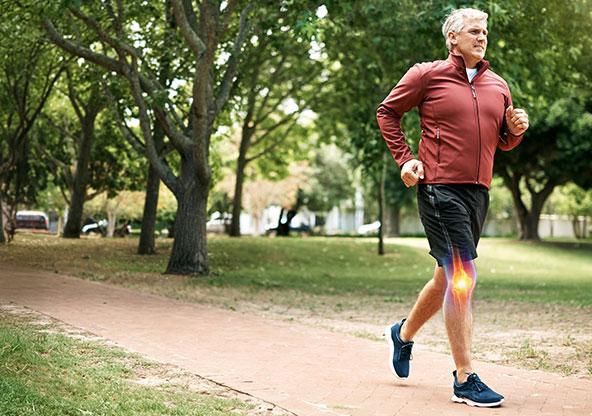
Knee arthritis is one of the most common causes of knee pain and disability worldwide. Millions of people experience stiffness, swelling, and difficulty walking due to the gradual wear and tear of the knee joint. While aging is a natural process, developing severe knee arthritis is not always inevitable. Many cases can be delayed—or even prevented—through healthy lifestyle choices, early treatment of injuries, and proper joint care.
Whether you're a young athlete, an office worker, or someone entering their senior years, taking care of your knees today can help you stay active and independent tomorrow. This comprehensive guide explains what knee arthritis is, why it develops, and the most effective ways to prevent it.
What Is Knee Arthritis?
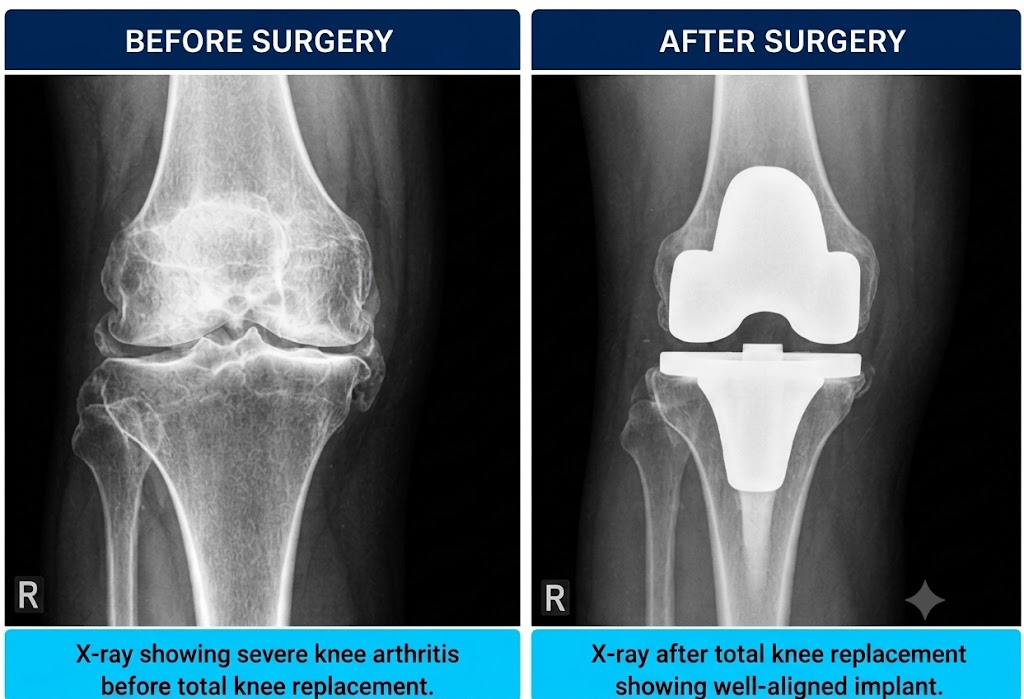
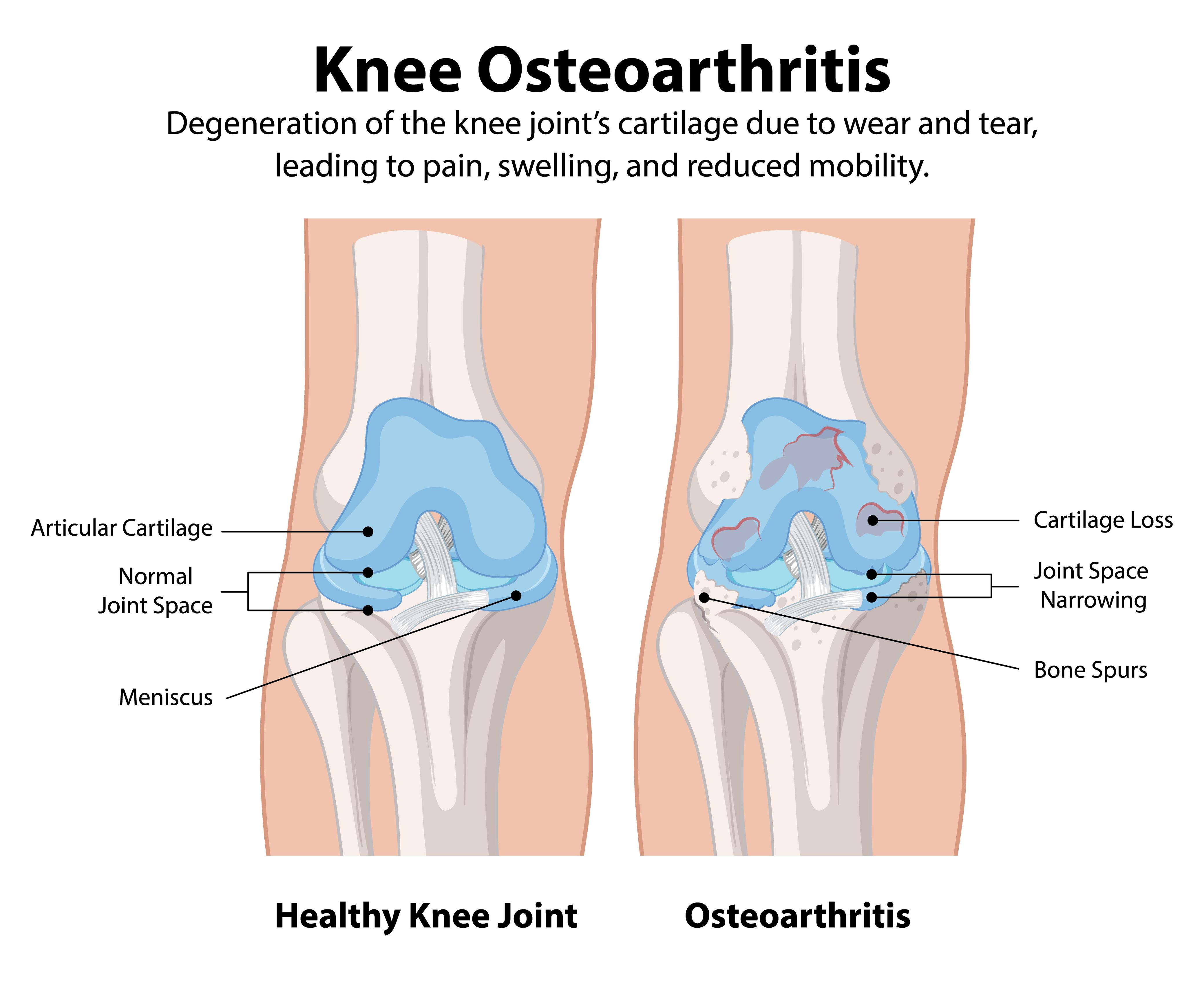
Knee arthritis is a condition where the cartilage that cushions the ends of the bones gradually wears away. As this protective cartilage becomes thinner, the bones begin rubbing against each other, causing:
- Knee pain
- Swelling
- Joint stiffness
- Grinding or clicking sensations
- Difficulty walking or climbing stairs
- Reduced range of motion
The most common type is Osteoarthritis (OA), which occurs due to aging and long-term wear and tear. Other forms include Rheumatoid Arthritis, Post-Traumatic Arthritis, Psoriatic Arthritis, and Gout-related Arthritis. Among these, osteoarthritis accounts for the majority of knee arthritis cases.
Why Prevention Matters
Taking proactive steps to safeguard your joints early on can yield long-term physical and financial benefits. Preventive measures can help:
- Maintain healthy cartilage
- Reduce stress on the knee
- Improve joint mobility
- Delay arthritis progression
- Avoid surgery
- Improve quality of life
Who Is at Risk?
Several factors increase the likelihood of developing knee arthritis:
- Age: The risk increases after the age of 45 due to gradual cartilage degeneration.
- Excess Body Weight: Every extra kilogram of body weight places approximately 3–4 kg of additional force on the knee during walking. Obesity is one of the strongest risk factors for knee osteoarthritis.
- Previous Knee Injuries: Past injuries can permanently alter knee mechanics, including ACL tears, meniscus injuries, cartilage injuries, and knee fractures. Even after treatment, these injuries increase future arthritis risk.
- Family History: Genetics influence cartilage quality and bone structure. People with close relatives who have osteoarthritis may have a higher risk.
- Occupation: Jobs involving frequent squatting, kneeling, heavy lifting, and stair climbing may accelerate joint wear.
- Sports: High-impact sports performed without proper conditioning may increase long-term joint stress.
Early Warning Signs
Many people ignore the first symptoms. Seek medical evaluation if you notice:
- Morning stiffness lasting 15–30 minutes
- Pain while climbing stairs
- Pain after prolonged walking
- Swelling after activity
- Clicking or grinding sounds
- Reduced flexibility
- Difficulty sitting cross-legged
Early diagnosis allows earlier intervention and better preservation of joint function.
10 Effective Ways to Prevent Knee Arthritis
1. Maintain a Healthy Weight
Weight management is perhaps the most important preventive strategy. Benefits include less pressure on cartilage, reduced systemic inflammation, better overall mobility, and lower pain risk. Even losing 5–10% of body weight significantly reduces arthritis risk.
2. Exercise Regularly
Movement nourishes cartilage by circulating joint fluid. Recommended activities include walking, cycling, swimming, water aerobics, and elliptical training. Aim for 150 minutes of moderate exercise weekly, and avoid long periods of inactivity.
3. Strengthen the Muscles Around the Knee
Strong muscles absorb impact and stabilize the joint. Focus on strengthening the quadriceps, hamstrings, gluteal muscles, hip muscles, and calf muscles. Simple exercises include straight leg raises, mini squats, step-ups, wall sits, and resistance band exercises.
4. Improve Flexibility
Tight muscles increase joint stress by altering movement patterns. Stretch regularly: hamstrings, quadriceps, calves, and hip flexors. Yoga and mobility exercises help maintain healthy, full joint movement.
5. Prevent Knee Injuries
Many arthritis cases begin with preventable injuries. Always warm up before exercise, wear proper footwear, use correct sports techniques, strengthen core muscles, and avoid sudden twisting movements. After any knee injury, seek early treatment.
6. Eat an Anti-Inflammatory Diet
Healthy nutrition supports joint health and reduces cartilage degradation. Choose foods rich in:
- Omega-3 Fatty Acids: Salmon, sardines, walnuts, and flaxseeds.
- Antioxidants: Berries, spinach, broccoli, and carrots.
- Vitamin D & Calcium: Eggs, fortified milk, dairy products, ragi, sesame seeds, leafy greens, and appropriate sunlight exposure.
Additionally, drink sufficient water to support joint lubrication.
7. Control Diabetes and Other Medical Conditions
Chronic diseases can accelerate cartilage damage. Keep diabetes, high cholesterol, hypertension, and obesity under control. Regular health check-ups reduce long-term joint complications.
8. Wear Proper Footwear
Shoes affect knee alignment and impact distribution. Choose footwear with good cushioning, proper arch support, and shock absorption. Replace worn-out shoes regularly.
9. Avoid Prolonged Sitting
Long periods of sitting cause stiffness and weaken support muscles. Take breaks every 30–45 minutes. Walk for 2 minutes, stretch, or bend and straighten the knees. These small habits improve circulation and joint fluid flow.
10. Get Early Medical Evaluation
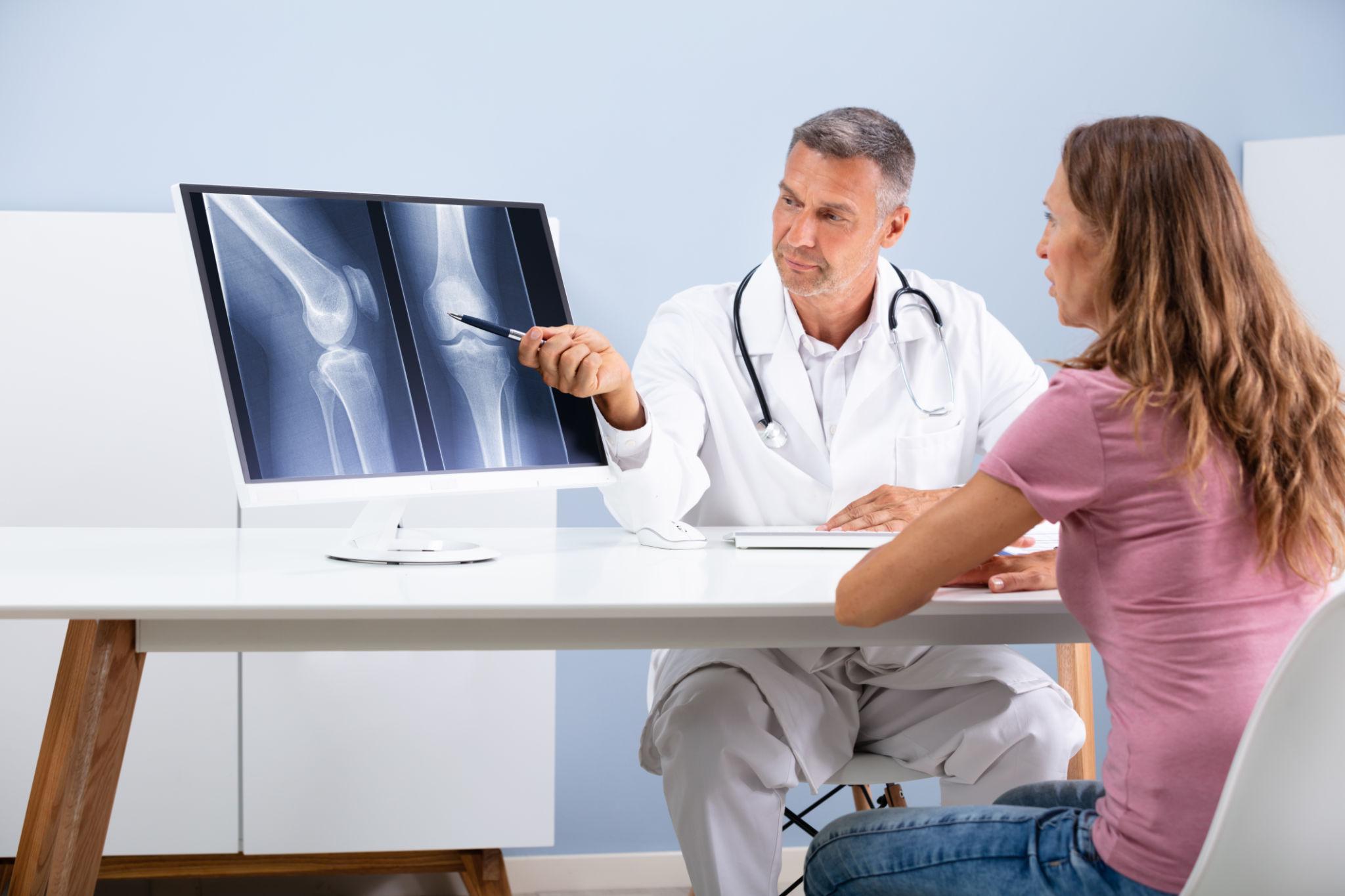
Persistent knee pain should never be ignored. Doctors may recommend clinical examinations, digital X-rays, MRI (if required), physiotherapy, lifestyle modification, and medications to delay arthritis progression for years.
Exercises That Help Prevent Knee Arthritis
The following exercises are generally considered knee-friendly:
- Straight Leg Raise
- Quad Sets
- Hamstring Stretch
- Heel Slides
- Wall Squats
- Step-Ups
- Stationary Cycling
- Walking
- Swimming and Water Exercises
*Note: Avoid high-impact exercises (like heavy running or jumping on hard surfaces) if you already experience persistent knee pain.
Foods That Support Healthy Knees
Include: Green leafy vegetables, turmeric, ginger, fruits rich in Vitamin C, nuts, seeds, fish, whole grains, beans, and low-fat dairy.
Limit: Sugary drinks, deep-fried foods, excess processed foods, smoking, and excessive alcohol consumption.
Can Supplements Prevent Arthritis?
Many supplements are marketed for joint health, such as Glucosamine, Chondroitin, Collagen peptides, Vitamin D, Calcium, and Omega-3 fatty acids. However, supplements should only be taken after consulting a healthcare professional, as benefits vary between individuals and scientific evidence remains mixed.
When Should You See an Orthopedic Specialist?
Consult an orthopedic doctor if you experience:
- Pain lasting more than two weeks
- Swelling or visible inflammation
- Knee locking or catching
- Difficulty bearing weight or walking
- Recurrent joint injuries
- Night pain that disrupts sleep
- Significant stiffness in the morning
Early treatment can often prevent further damage and avoid the need for invasive surgeries.
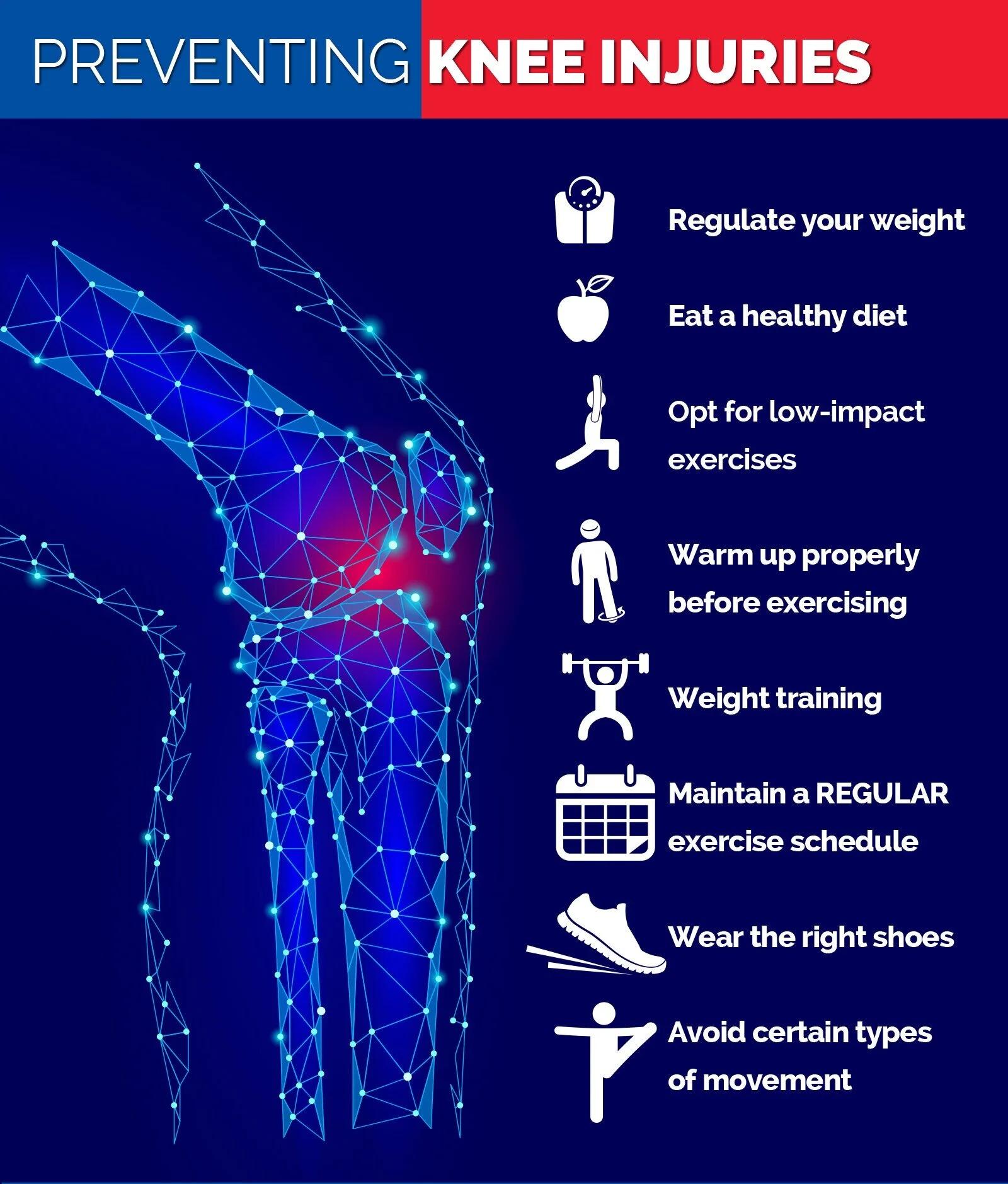
Living a Knee-Friendly Lifestyle
Healthy knees are built through consistent daily habits:
- Stay physically active.
- Maintain a healthy weight.
- Strength train regularly.
- Stretch every day.
- Eat a balanced, anti-inflammatory diet.
- Wear supportive footwear.
- Avoid smoking.
- Treat injuries promptly.
- Schedule routine health check-ups.
Conclusion
Knee arthritis develops gradually, but the choices you make every day can significantly influence your long-term joint health. While aging cannot be stopped, many risk factors—including excess weight, weak muscles, inactivity, and untreated injuries—can be addressed through proactive care.
By staying active, maintaining a healthy weight, strengthening the muscles around your knees, eating a nutritious diet, and seeking medical advice when symptoms first appear, you can reduce your risk of arthritis and enjoy an active, pain-free lifestyle for years to come. Remember: prevention is always easier than treatment. Start protecting your knees today to preserve your mobility and quality of life tomorrow.
Frequently Asked Questions (FAQs)
While not all cases can be prevented (due to genetics or natural aging), maintaining a healthy lifestyle, avoiding injuries, and managing weight can significantly reduce the risk and delay its onset.
Excess body weight is one of the strongest modifiable risk factors because every extra kilogram of body weight places approximately 3 to 4 times that force on the knee joints during movement.
Yes. Walking is a low-impact exercise that strengthens muscles around the knees, improves joint lubrication, and supports overall knee health when done with proper footwear.
Foods rich in omega-3 fatty acids, calcium, vitamin D, antioxidants, fruits, vegetables, whole grains, nuts, and seeds help support joint health and lower inflammation.
Yes. Previous sports injuries (like ACL or meniscus tears), obesity, genetic factors, or inflammatory conditions can lead to arthritis even in younger adults.
Not necessarily. Painless clicking or popping is common and usually harmless. However, clicking accompanied by pain, swelling, or stiffness should be evaluated by a healthcare professional.
Knee braces may provide support in specific recovery or alignment situations, but they should not replace exercise, weight management, and proper muscle rehabilitation.
Aim for at least 150 minutes of moderate-intensity physical activity each week, combined with strength training exercises twice weekly.
Mild muscle soreness after activity is common, but persistent, sharp, or severe joint pain should be assessed by a healthcare professional before continuing high-impact exercise.
If knee pain lasts more than two weeks, causes visible swelling, limits daily activities, or follows a specific injury, seek evaluation from an orthopedic specialist.